
 Save
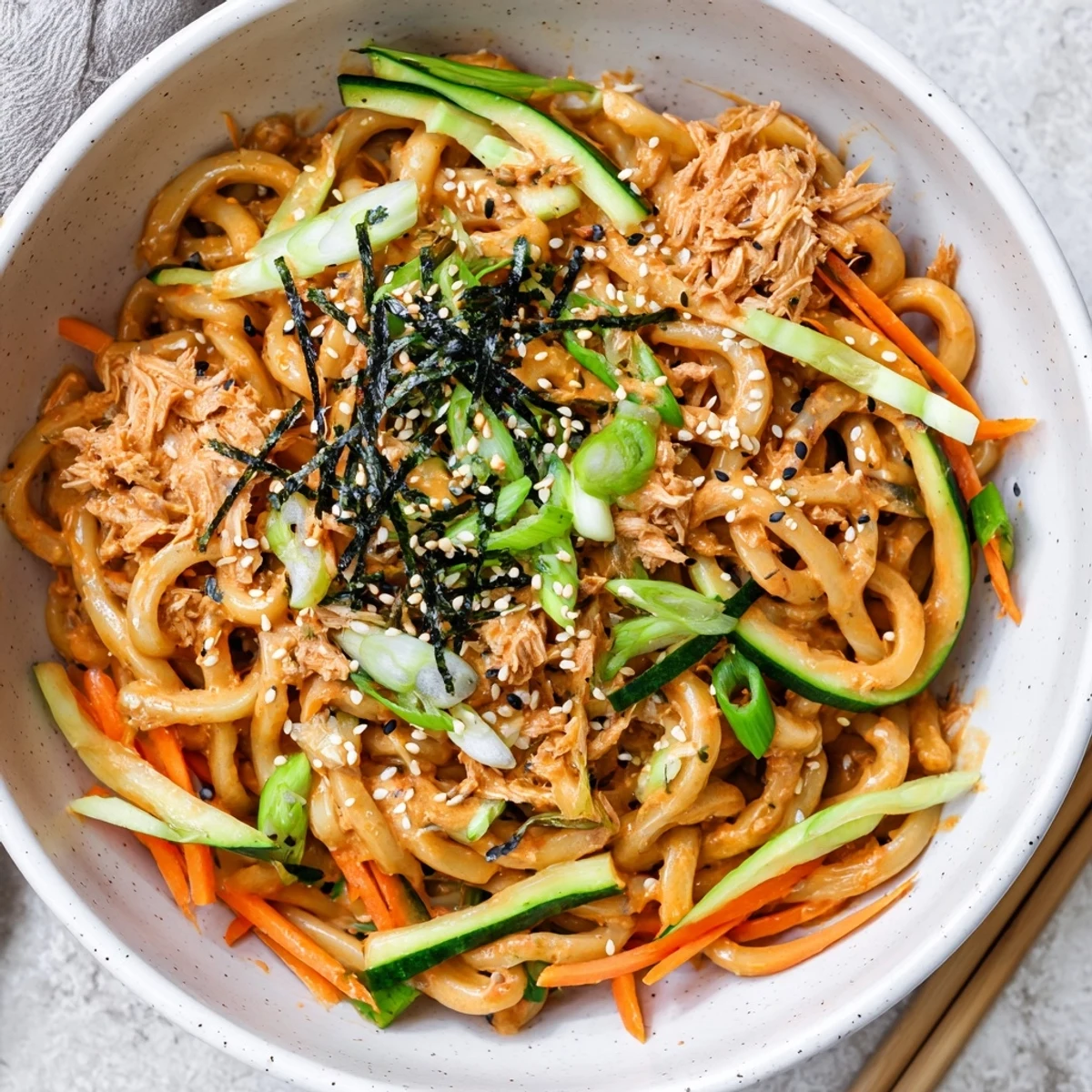
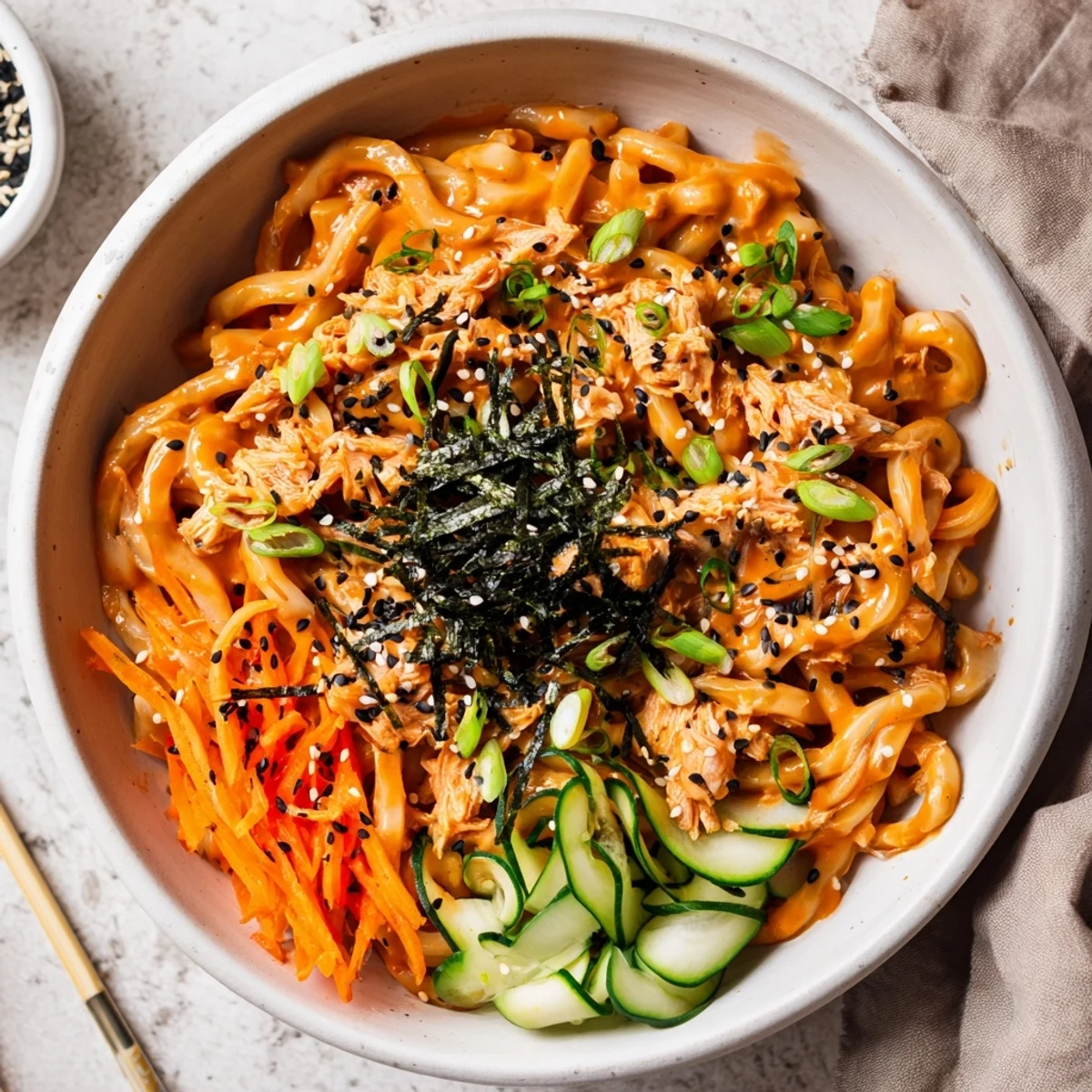
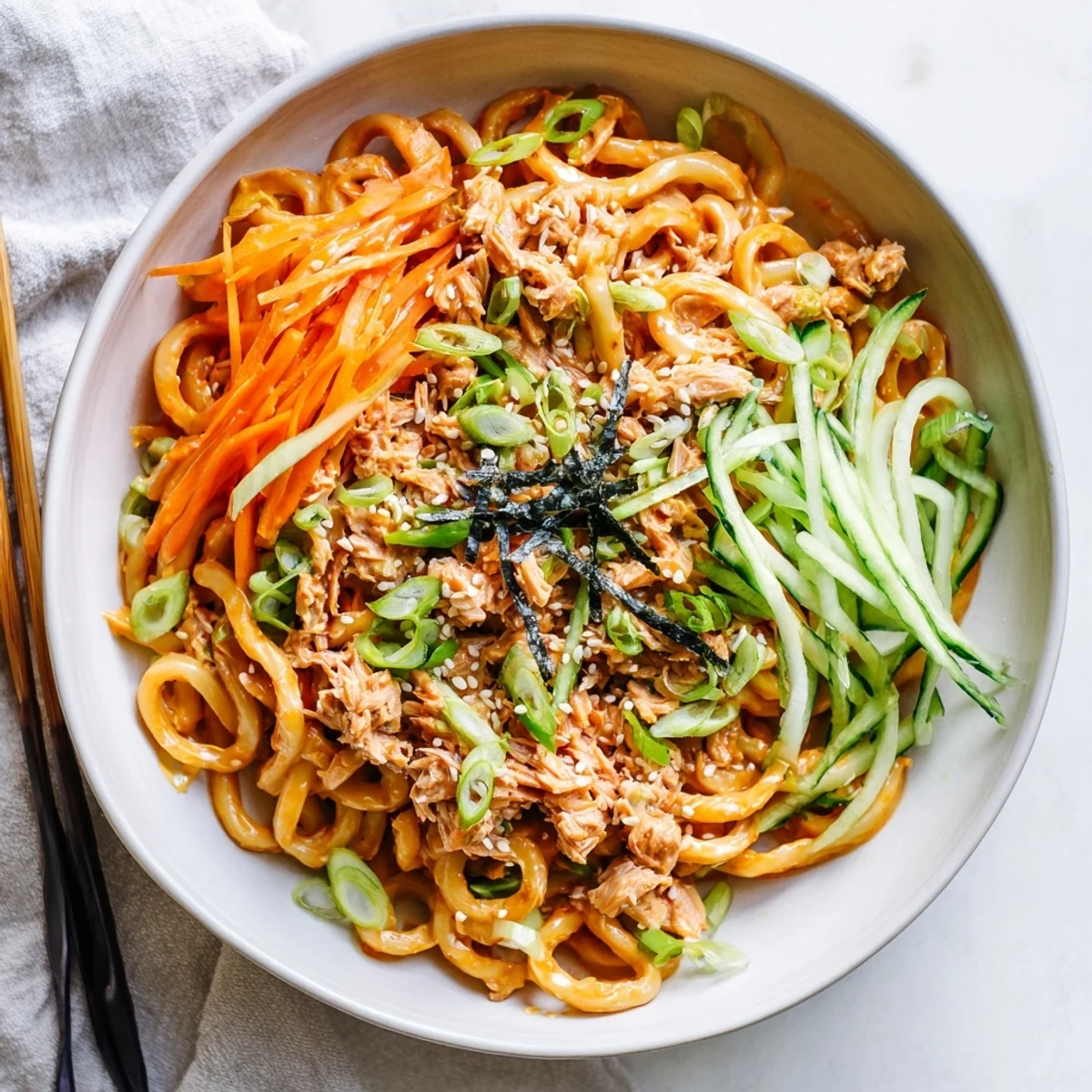
Save This vibrant Japanese noodle dish features thick, chewy udon noodles coated in a spicy, creamy tuna sauce. The combination of Sriracha-spiked mayonnaise, soy sauce, and sesame oil creates an addictive flavor profile that's both rich and refreshing.
Fresh vegetables like julienned carrots, crisp cucumber, and spring onions add crunch and brightness, while toasted sesame seeds and nori provide authentic garnishes. The dish comes together in just 25 minutes and can be served chilled or at room temperature, making it perfect for quick lunches or light dinners.
Adjust the heat level to your preference by adding more Sriracha or fresh chili slices. The pescatarian-friendly bowl delivers satisfying protein from tuna while keeping the dish light and nutritious.
The exhaust fan was broken in my tiny apartment kitchen the summer I discovered spicy tuna udon, which meant every meal was a negotiation between craving and ventilation. I started making this cold noodle dish because it required zero actual cooking heat beyond boiling water for three minutes. The Sriracha fumes were minimal, the reward was enormous, and I probably ate it four nights a week that July. It became my unofficial signature dish among friends who still ask for it at every potluck.
My friend Deana once watched me assemble this in her kitchen and accused me of hiding the real recipe because something this simple should not taste this good. She now texts me photos of her own versions, some with wildly different vegetables, and every single one looks perfect.
Ingredients
- Udon noodles (200 g): Fresh or frozen both work beautifully, but frozen udon has a springier bite that holds up better to vigorous tossing.
- Canned tuna in water (120 g, drained): Drain it thoroughly, pressing the lid gently against the tuna to squeeze out every drop of excess liquid.
- Carrot (1/2 cup julienned): Cut them as thin as your patience allows because thin strips soften just enough against the sauce without losing their crunch.
- Cucumber (1/2 cup thinly sliced): Persian or English cucumber works best since you avoid the watery seed issue entirely.
- Spring onions (2, sliced): Slice them on a sharp diagonal for visual appeal and a more delicate bite.
- Pickled ginger (1 tablespoon, finely chopped, optional): This adds a quiet sweetness that catches people off guard in the best way.
- Japanese Kewpie mayonnaise (2 tablespoons): Regular mayo works, but Kewpie has a richer yolk quality and a tang that makes the sauce taste more complete.
- Sriracha (1 tablespoon): Start with one tablespoon and taste before adding more since the heat builds as the noodles sit.
- Soy sauce (1 tablespoon): Use a standard Japanese soy sauce if possible for the right balance of salt and subtle sweetness.
- Sesame oil (1 teaspoon): Toasted sesame oil is the one giving you that warm, nutty fragrance that makes people lean over the bowl.
- Rice vinegar (1 teaspoon): A small amount brightens everything and keeps the sauce from feeling too heavy.
- Sugar (1/2 teaspoon): Just enough to round the edges off the heat and acidity without making anything sweet.
- Toasted sesame seeds (1 tablespoon): Toast them yourself in a dry pan for thirty seconds and you will never go back to the pre toasted jar.
- Nori (1 sheet, torn): Tear it into rustic pieces right before serving so it stays crisp.
- Fresh chili slices (optional): Thin rounds of red chili on top make it look restaurant worthy and add a fresh sharp bite.
Instructions
- Cook and cool the noodles:
- Boil the udon according to the package directions, usually two to three minutes, then drain and rinse under cold running water until the noodles are completely cool to the touch. Shake off excess water and set them aside in the colander.
- Build the spicy tuna sauce:
- In a mixing bowl, combine the drained tuna, mayonnaise, Sriracha, soy sauce, sesame oil, rice vinegar, and sugar. Stir with a fork, breaking up the tuna until the mixture looks creamy and well blended.
- Fold in the vegetables:
- Add the julienned carrot, sliced cucumber, spring onions, and pickled ginger to the sauce. Fold gently so the vegetables get coated without turning everything into a mash.
- Toss everything with the noodles:
- Add the cooled udon to the bowl and toss with tongs or your hands, lifting and separating the noodles so every strand gets dressed. Keep tossing until the sauce is evenly distributed and no white streaks of mayonnaise remain.
- Plate and garnish:
- Divide between two bowls, then sprinkle generously with toasted sesame seeds, torn nori pieces, and fresh chili slices if you are using them. Serve right away while the textures are at their best.
 Save
Save I once packed this for a beach picnic and the nori softened into the noodles during the drive, creating an accidental extra layer of flavor that I now intentionally replicate.
What to Drink Alongside
A chilled, dry sake mirrors the subtle sweetness in the sauce without competing with the heat. If sake is not your thing, a crisp Pinot Grigio or even a light Japanese lager does the job nicely.
Making It Your Own
The beauty of this recipe is how forgiving it is with substitutions. I have tossed in leftover edamame, shredded cabbage, thin slices of avocado, and even roasted corn kernels with great results. Greek yogurt stands in beautifully for mayonnaise if you want something lighter, though the sauce will be slightly less rich.
Keeping Leftovers Fresh
This dish is best eaten the day it is made since the cucumber releases water over time and the noodles gradually absorb the sauce. If you must store it, keep it covered in the refrigerator for up to one day and toss with a splash of soy sauce and a few drops of sesame oil before eating to wake it back up.
- Store the nori separately and add it only when serving to keep it crisp.
- A soft boiled egg on top the next day turns leftovers into an entirely new meal.
- Never freeze this dish since the texture of both the noodles and the cucumber will suffer.
 Save
Save Some recipes earn a permanent spot in your rotation because they ask so little and give so much back, and this spicy tuna udon is exactly that kind of weeknight hero.
Recipe FAQs
- → Can I use fresh tuna instead of canned?
-
Yes, you can substitute 120g of cooked fresh tuna, flaked into pieces. Grill, pan-sear, or poach the tuna first, then flake it before mixing with the spicy sauce. Fresh tuna adds a firmer texture and more delicate flavor.
- → How do I store leftovers?
-
Store components separately in airtight containers in the refrigerator for up to 2 days. Keep the noodles and sauce mixture separate from fresh vegetables to maintain texture. Toss together before serving.
- → Can I make this dish gluten-free?
-
Yes, use gluten-free udon noodles made from rice or buckwheat, and substitute tamari for soy sauce. Ensure your mayonnaise and other condiments are certified gluten-free.
- → What can I substitute for Kewpie mayonnaise?
-
Regular mayonnaise works well as a substitute. For a lighter version, use Greek yogurt or a combination of half yogurt and half mayonnaise. The flavor will be slightly less rich but still delicious.
- → How can I reduce the spice level?
-
Start with ½ teaspoon of Sriracha and taste before adding more. You can also omit fresh chili garnishes. The creamy mayonnaise naturally helps balance the heat, making it adjustable for all preferences.
- → Is this dish served hot or cold?
-
Spicy Tuna Udon is versatile and delicious both ways. Serve chilled on hot days or at room temperature. The noodles can be slightly warmed if preferred, but avoid overheating as it may affect the fresh vegetables.