
 Save
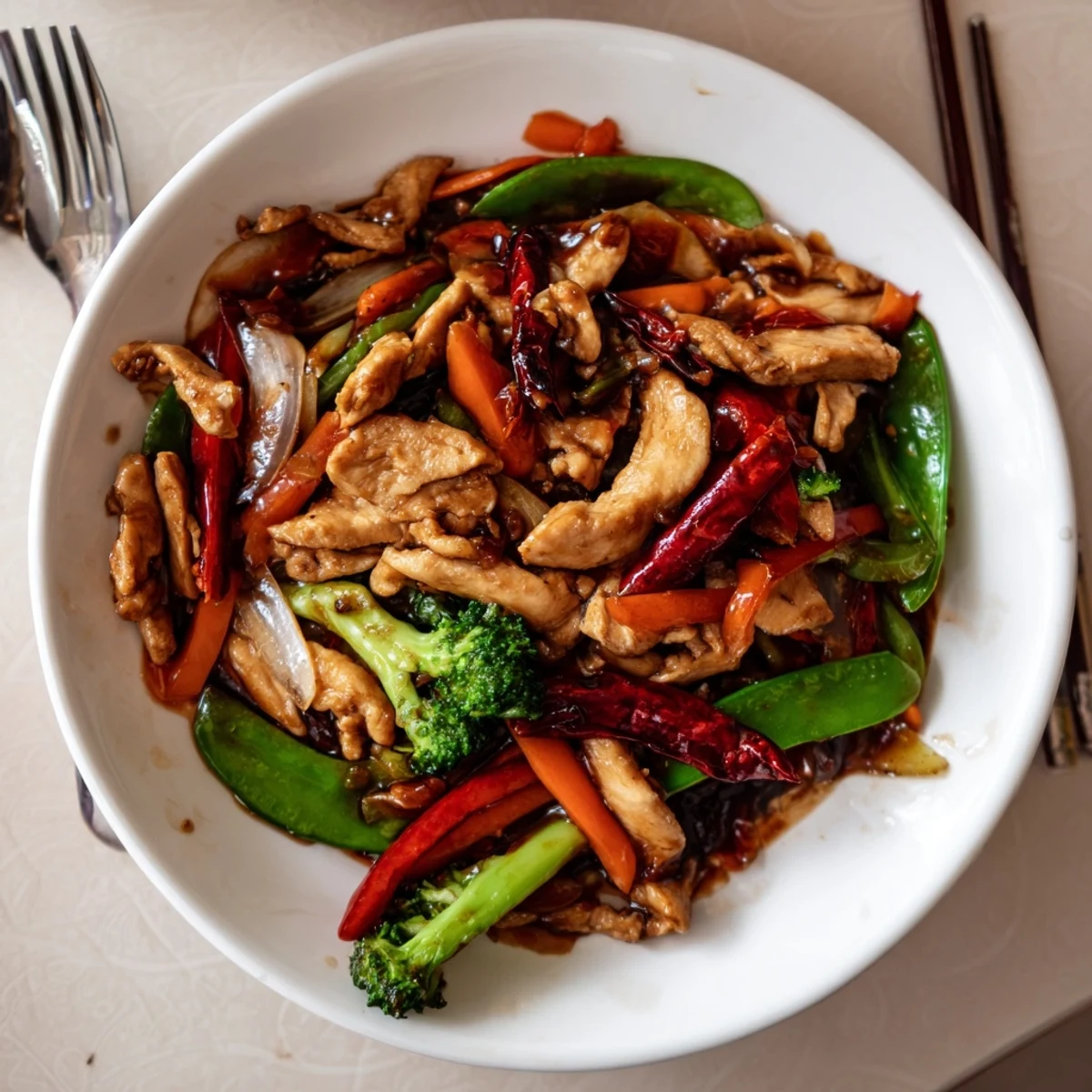
Save This Hunan chicken brings together thinly sliced chicken breast, colorful bell peppers, broccoli, and snow peas in a fiery, savory sauce built from chili paste, black bean sauce, and soy sauce.
The chicken is marinated briefly in soy sauce, Shaoxing wine, and cornstarch for extra tenderness, then stir-fried over high heat in a wok for that signature smoky char.
Dried red chilies infuse the oil with deep, warming heat while garlic and ginger add aromatic depth. The whole dish comes together in just 35 minutes, making it perfect for a weeknight dinner served over steamed jasmine rice.
The sizzle of chicken hitting a screaming hot wok is one of those sounds that instantly transports me back to a tiny Hunan restaurant tucked behind a laundromat in my old neighborhood. The chef there worked with such furious precision, flicking ingredients into the air with a rhythm that felt almost musical. I spent weeks trying to recreate that fiery, smoky chicken at home before I finally nailed the balance of heat and savory depth. This recipe is the result of many scorched attempts and one very smoky kitchen.
My roommate walked in one evening while I was testing this and declared the apartment smelled like a street market in Changsha. We stood over the wok with chopsticks, eating straight from the pan before I even plated it. That reaction told me this one was a keeper.
Ingredients
- 500 g boneless skinless chicken breast, thinly sliced: Slice against the grain and slightly freeze the chicken first for paper thin, even pieces that cook quickly and stay tender.
- 1 tbsp soy sauce plus 1 tbsp Shaoxing wine plus 1 tsp cornstarch for marinade: This quick marinade is the difference between velvety chicken and rubbery strips.
- 1 red bell pepper and 1 green bell pepper, sliced: The two colors are not just for looks; they add slightly different sweetness levels.
- 1 cup broccoli florets plus 1 carrot sliced thin plus 100 g snow peas: Cut everything to similar sizes so nothing overcooks while waiting for thicker pieces.
- 3 scallions sliced plus 3 cloves garlic minced plus 1 tbsp fresh ginger minced: Fresh aromatics are non negotiable here; do not even think about using jarred versions.
- Sauce mixture of 2 tbsp soy sauce, 1 tbsp oyster sauce, 1 tbsp black bean sauce, 2 tsp chili paste, 1 tsp sugar, 1/2 cup chicken broth, and 1 tsp cornstarch: Whisk this until completely smooth before it goes near heat.
- 2 tbsp vegetable oil plus 6 to 8 dried red chilies: The dried chilies infuse the oil with a slow, building warmth that defines Hunan style cooking.
Instructions
- Marinate the chicken:
- Toss the sliced chicken with soy sauce, Shaoxing wine, and cornstarch until every piece is evenly coated. Let it sit for ten minutes while you prep everything else.
- Build the sauce:
- Whisk all the sauce ingredients together in a small bowl until the cornstarch disappears completely. Give it one more stir right before using because the starch settles fast.
- Sear the chicken:
- Heat one tablespoon of oil in your wok over the highest heat your stove allows. Spread the chicken in a single layer, let it sear without moving for a minute, then stir fry until just cooked through and transfer to a plate.
- Bloom the aromatics:
- Add the remaining oil and toss in the dried chilies, garlic, and ginger. Keep everything moving for about thirty seconds until your kitchen smells incredible and you start coughing a little.
- Stir fry the vegetables:
- Add all the vegetables and most of the scallions, tossing vigorously for two to three minutes. You want them bright colored and crisp tender, not soft and sad.
- Bring it all together:
- Return the chicken to the wok, pour in the sauce, and toss everything with purpose until it thickens into a glossy coating. Serve immediately over steamed rice with the remaining scallions on top.
 Save
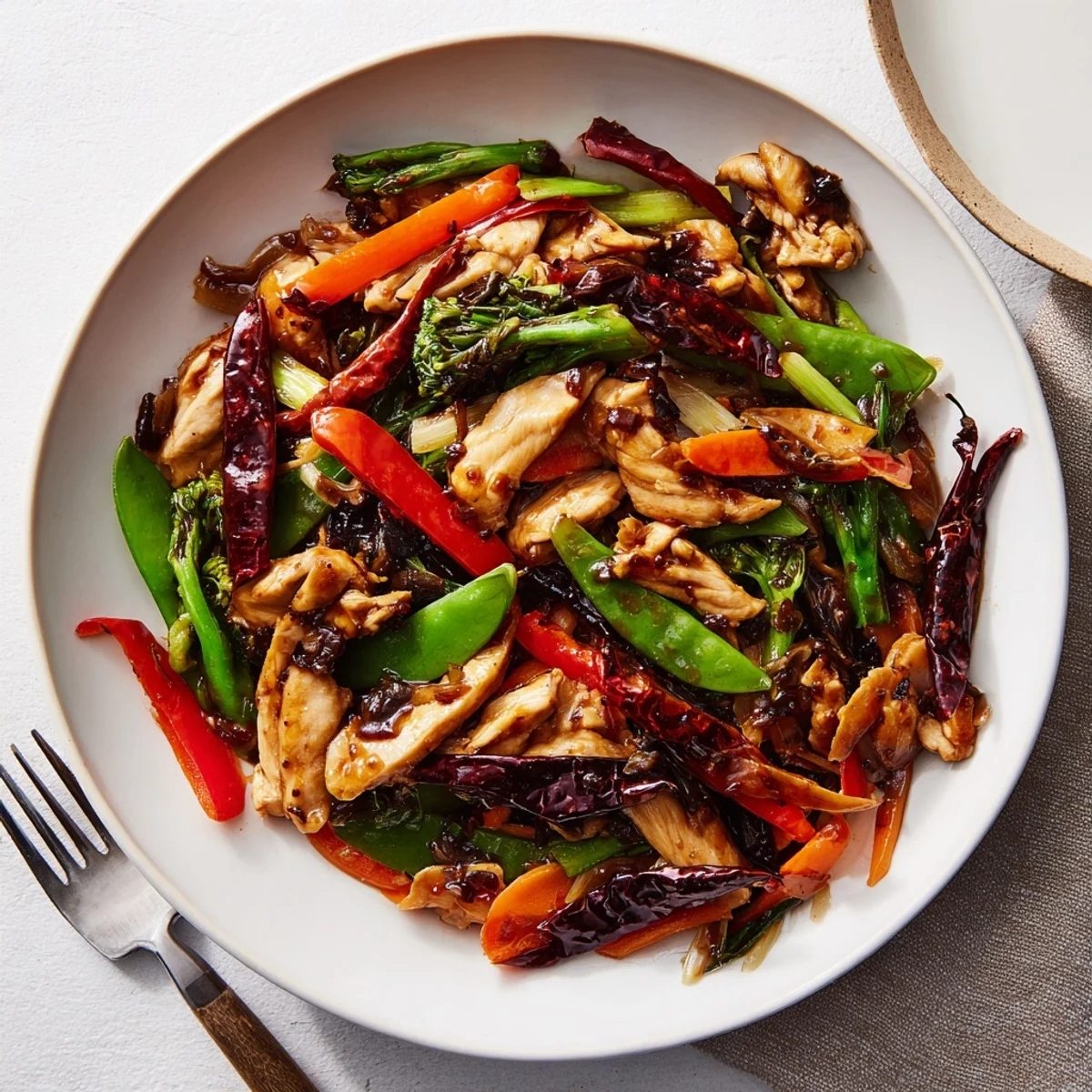
Save There is something deeply satisfying about lifting a plate of food you stir fried yourself, watching the steam curl up under the kitchen light. This dish turned a random Tuesday into something worth remembering.
Choosing and Handling Your Wok
A carbon steel wok is ideal here because it gets screaming hot and develops a natural nonstick patina over time. If you only have a large stainless steel or cast iron skillet, that works too, but avoid nonstick pans for this recipe since they cannot handle the high heat this dish demands. Season your wok properly before the first use by heating oil until it smokes and wiping it around the interior surface. The better treated your wok, the less sticking you will fight.
Adjusting the Heat Level to Your Taste
Hunan cuisine is known for being unapologetically spicy, but you control the fire in your own kitchen. The dried chilies contribute a fragrant warmth more than raw heat, while the chili paste in the sauce delivers the real punch. Start with less if you are sensitive and build up each time you make it. I once doubled the chili paste for a friend who claimed she could handle anything and we both regretted it by the third bite.
Serving Suggestions and Storage
This dish is best eaten immediately because the vegetables lose their snap and the sauce thickens as it sits. If you need to store leftovers, keep them in an airtight container in the refrigerator for up to two days and reheat gently in a pan with a splash of broth.
- Jasmine rice is the classic pairing but steamed brown rice adds a nutty heartiness that stands up well to the bold sauce.
- A simple cucumber salad with rice vinegar and sesame oil cuts through the richness beautifully.
- Always garnish with fresh scallions right before serving so they stay bright and crunchy.
 Save
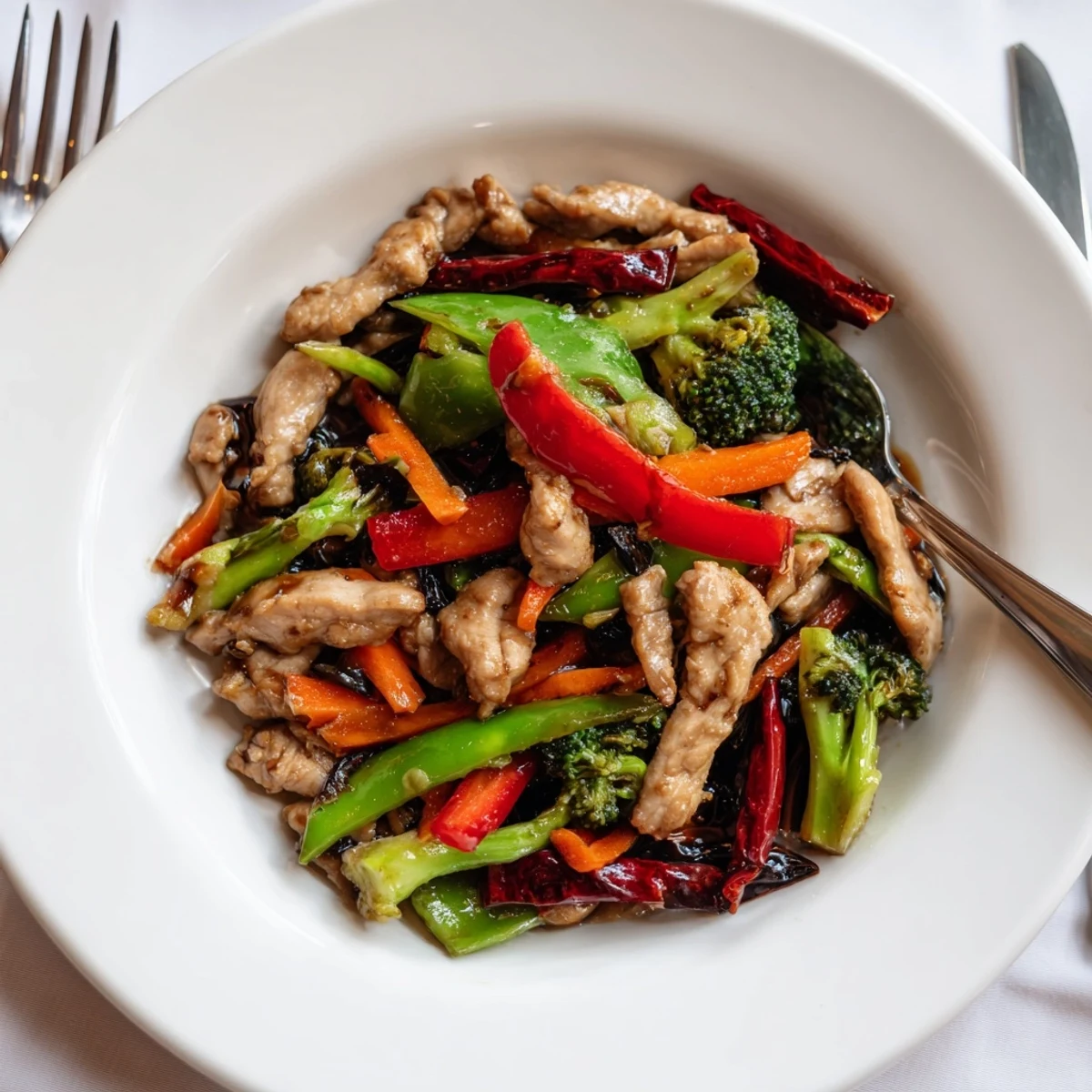
Save Once you master the rhythm of a stir fry like this, you start improvising without even thinking about it. That is when cooking becomes something more than following steps and starts feeling like second nature.
Recipe FAQs
- → What makes Hunan chicken different from Szechuan chicken?
-
Hunan cuisine tends to feature straightforward heat from dried chilies and fresh chili paste, with a more rustic, agricultural flavor profile. Szechuan dishes often incorporate Sichuan peppercorns that create a numbing sensation alongside the spice. Hunan sauces are typically simpler and bolder, relying on fermented black beans and chili rather than complex spice blends.
- → Can I use chicken thighs instead of chicken breast?
-
Yes, boneless skinless chicken thighs work wonderfully in this dish and will actually stay more tender and juicy during the high-heat stir-frying process. Slice them thinly just as you would the breast and follow the same marinating and cooking steps.
- → How spicy is this dish and can I adjust the heat level?
-
The spice level is moderately hot by default but entirely adjustable. Reduce or omit the dried red chilies for milder heat, or dial back the chili paste to one teaspoon. For more fire, leave the seeds in the dried chilies, add extra chili paste, or finish with a drizzle of chili oil.
- → What is Shaoxing wine and can I substitute it?
-
Shaoxing wine is a Chinese cooking rice wine that adds depth and a slightly sweet, nutty flavor to marinades and sauces. If unavailable, dry sherry is the closest substitute. In a pinch, you can use mirin or even a splash of dry white wine, though the flavor profile will shift slightly.
- → How do I get the best stir-fry results at home?
-
Use a wok or large skillet and make sure it is fully heated before adding oil. Cook the chicken in a single layer without crowding the pan, and stir-fry the vegetables over high heat to keep them crisp-tender. Have all ingredients prepped and the sauce mixed before you start cooking, since stir-frying moves fast once you begin.