
 Save
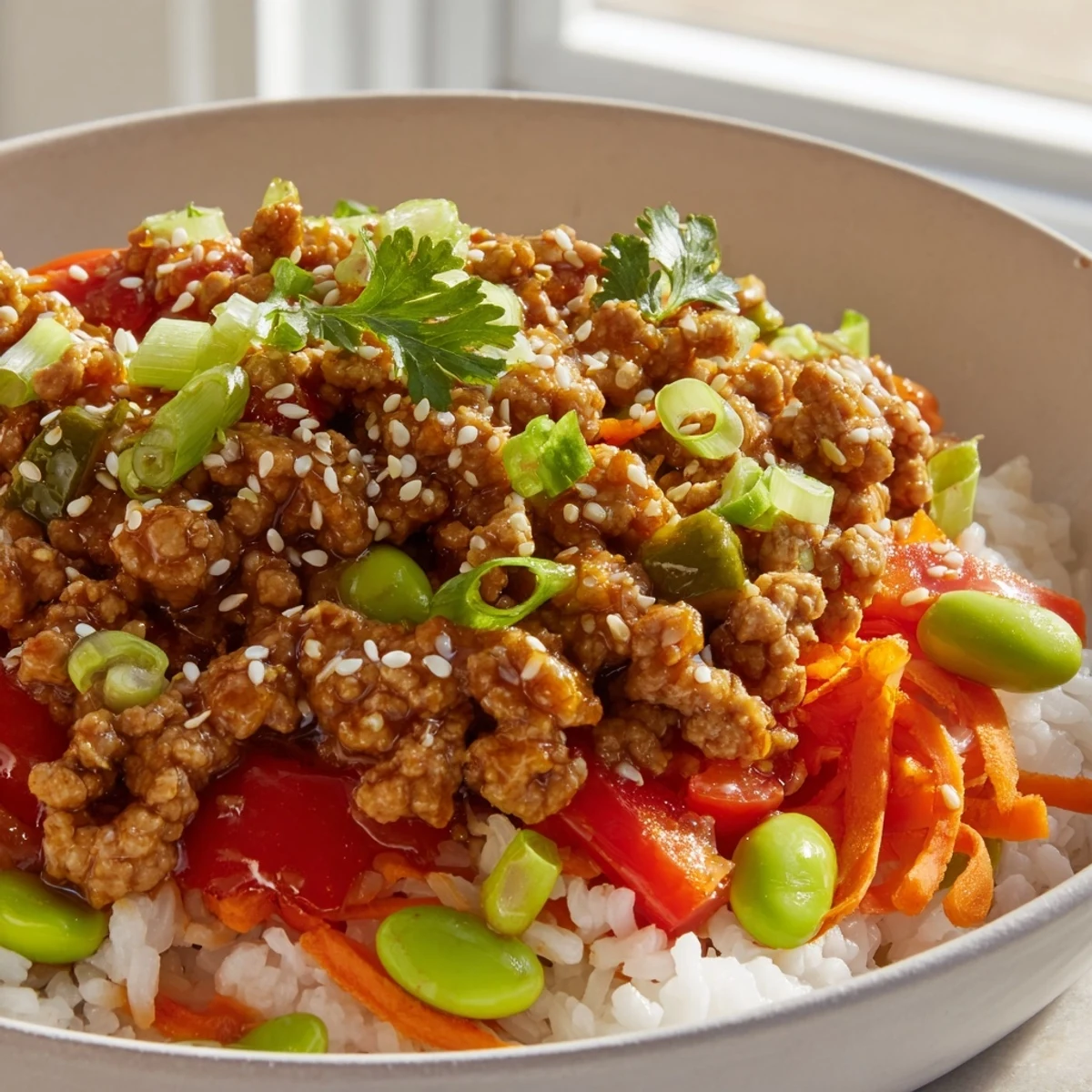
Save These ground turkey rice bowls bring together lean protein, fluffy rice, and crisp vegetables in a sweet and savory sesame-soy sauce. Ready in just 35 minutes, they make an ideal weeknight dinner that's both nutritious and satisfying.
Each bowl is fully customizable—swap in your favorite vegetables, adjust the heat level with sriracha, or use cauliflower rice for a lower-carb option. The combination of ginger, garlic, and rice vinegar creates layers of flavor without heavy ingredients.
With 28 grams of protein per serving and naturally gluten-free when using tamari, this balanced meal fits into most dietary preferences while keeping cleanup minimal with just one skillet.
The sizzle of ground turkey hitting a hot skillet on a Tuesday evening is one of those small sounds that signals everything is going to be fine, even when the week has been relentless. I started making these rice bowls during a phase when takeout menus were multiplying in my kitchen drawer faster than I could recycle them. The whole thing comes together in the time it takes to scroll through delivery apps debating what you actually want. Somewhere between the ginger hitting the oil and the soy sauce caramelizing, you realize cooking is the simpler choice.
My roommate walked in one night while I was tossing the turkey with that glossy soy vinegar sauce and stood over the stove spooning bites directly from the pan before I could even plate it. We ended up eating standing in the kitchen, bowls balanced on the counter, agreeing this was better than the Thai place down the street. Now it shows up in our meal rotation almost weekly, each time with whatever vegetables need rescuing from the crisper drawer.
Ingredients
- Ground turkey (1 lb): Lean enough to feel virtuous but carries the sauce beautifully. I learned to break it into small, uneven pieces because those crispy bits become the best bites.
- Cooked white or brown rice (2 cups): Day old rice works wonders here since it soaks up the sauce without turning mushy. Make a double batch the night before and you are halfway done.
- Shredded carrots (1 cup): They add a subtle sweetness and a satisfying crunch if you add them late in the cooking process.
- Red bell pepper, diced (1): The color alone makes the bowl look intentional and polished, and the mild sweetness plays well with the sriracha.
- Shelled edamame (1 cup): A quiet protein boost that also brings a bright, fresh texture to every forkful.
- Green onions, thinly sliced (2): Reserved for the end because their sharp freshness cuts through the richness of the glazed turkey.
- Garlic, minced (2 cloves): Fresh is nonnegotiable here. The jarred stuff loses the pungency that makes this dish sing.
- Fresh ginger, grated (1 tablespoon): Freeze your ginger and grate it straight from frozen. It grates into a fine paste and lasts for weeks.
- Low sodium soy sauce or tamari (1/4 cup): Tamari keeps this gluten free and actually tastes richer than standard soy sauce in my experience.
- Sesame oil (1 tablespoon): This is your aromatic backbone. Toasted sesame oil specifically, not the neutral kind.
- Rice vinegar (2 tablespoons): Adds the gentle acidity that keeps the sauce from feeling heavy or one dimensional.
- Honey or maple syrup (1 tablespoon): Just enough to round the edges and help the sauce cling to every crumb of turkey.
- Sriracha (1 tablespoon, optional): Adjustable heat for whatever mood you are in. Start with less and taste before adding more.
- Sesame seeds, cilantro, lime wedges (for topping): Never skip the lime squeeze at the end. It wakes up the entire bowl.
Instructions
- Cook the rice:
- If you do not have leftover rice ready, start it now according to the package directions so it is ready by the time the turkey needs a bed to rest on.
- Brown the turkey:
- Heat your skillet over medium heat with the sesame oil, then add the ground turkey and break it apart with a spatula, letting it develop golden brown spots for about 6 to 8 minutes without stirring too aggressively.
- Build the aromatics:
- Toss in the garlic, ginger, red bell pepper, and carrots, stirring constantly for 3 to 4 minutes until your kitchen smells incredible and the vegetables soften slightly but still have some bite.
- Add the edamame:
- Stir in the edamame and let it warm through for about 2 minutes, just enough to take the chill off without cooking the brightness out of it.
- Pour in the sauce:
- Whisk together the soy sauce, rice vinegar, honey, and sriracha in a small bowl, then pour it over the turkey mixture and stir so every piece gets coated in that glossy, fragrant glaze.
- Let it simmer:
- Give it 2 to 3 minutes uncovered so the sauce reduces slightly and thickens, clinging to the meat and vegetables rather than pooling at the bottom of the pan.
- Assemble and finish:
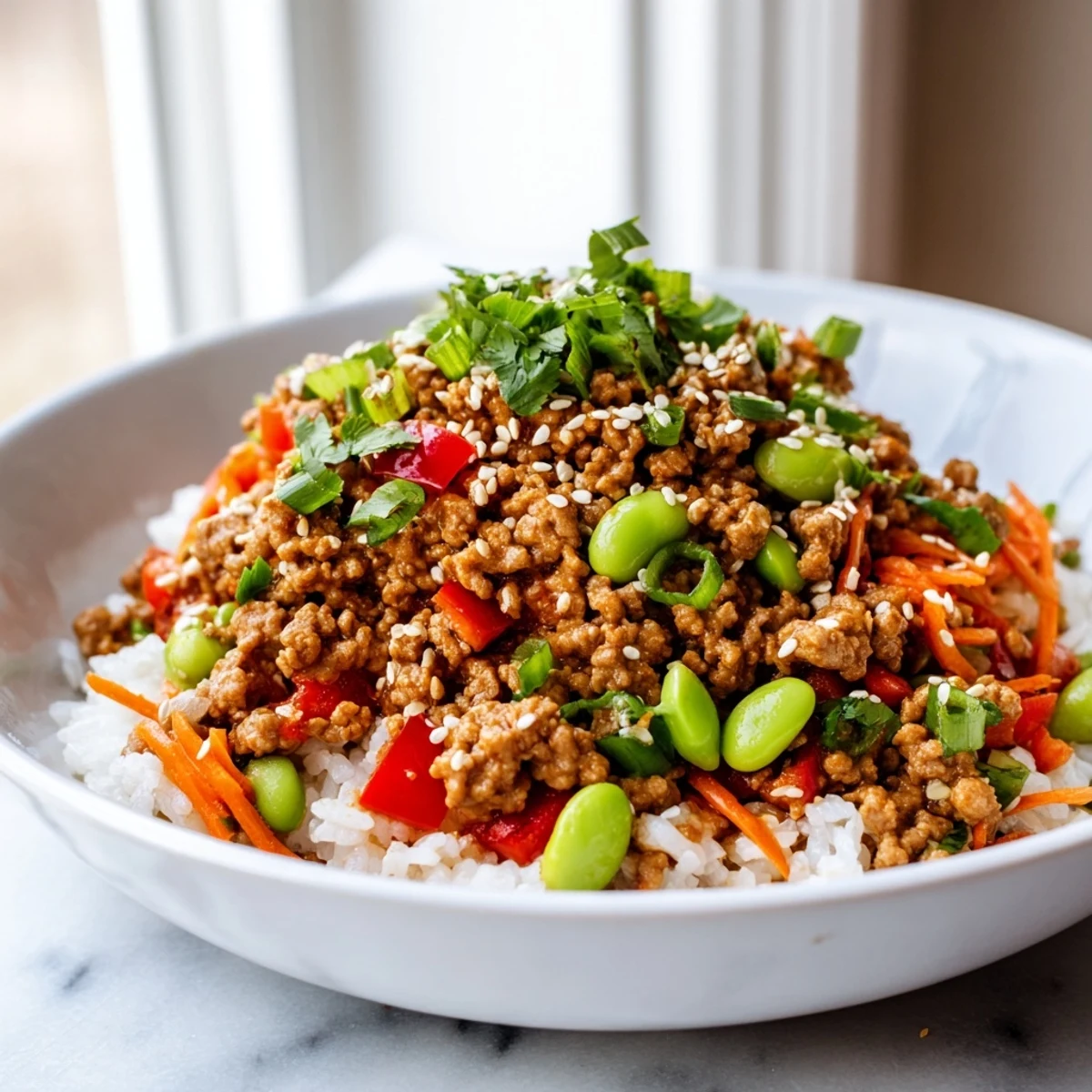
- Spoon the hot turkey mixture over bowls of rice and scatter green onions, sesame seeds, cilantro, and a generous squeeze of lime over each serving.
 Save
Save The first time I made this for a group, everyone stood around the kitchen island assembling their own bowls like a casual topping bar, arguing over who got the last spoonful of turkey. It became one of those meals that turns a random Wednesday into something worth remembering.
Swaps and Variations
Ground chicken or lean beef slide right into this recipe without any timing adjustments, and I have even used leftover shredded rotisserie chicken on nights when browning raw meat felt like too much. The vegetable framework is endlessly forgiving. Zucchini, snap peas, and broccoli florets all work beautifully, just cut them small enough to cook in the same quick window as the peppers and carrots. For a low carb version, cauliflower rice actually stands up surprisingly well to the assertive sauce.
What to Serve Alongside
A crisp Sauvignon Blanc cuts through the richness of the sesame soy glaze in a way that feels almost refreshing between bites. For a nonalcoholic pairing, sparkling water with a squeeze of lime mirrors the same bright notes you get from the garnish. If you want to stretch the meal further, a simple cucumber salad with rice vinegar on the side adds crunch without competing for attention.
Storage and Reheating
The turkey mixture keeps beautifully in the refrigerator for up to four days, and honestly the flavors deepen overnight in a way that makes the leftovers arguably better than the first serving. Store the rice separately if you can manage it, since reheating everything together sometimes turns the rice softer than ideal. When reheating, a quick splash of water and a minute in the skillet brings the sauce back to life without drying anything out.
- Freeze portions in airtight containers for up to three months for instant weeknight rescue meals.
- Keep toppings in separate small containers so nothing wilts or loses its crunch overnight.
- Always taste after reheating because a tiny extra splash of soy sauce or lime can bring it right back.
 Save
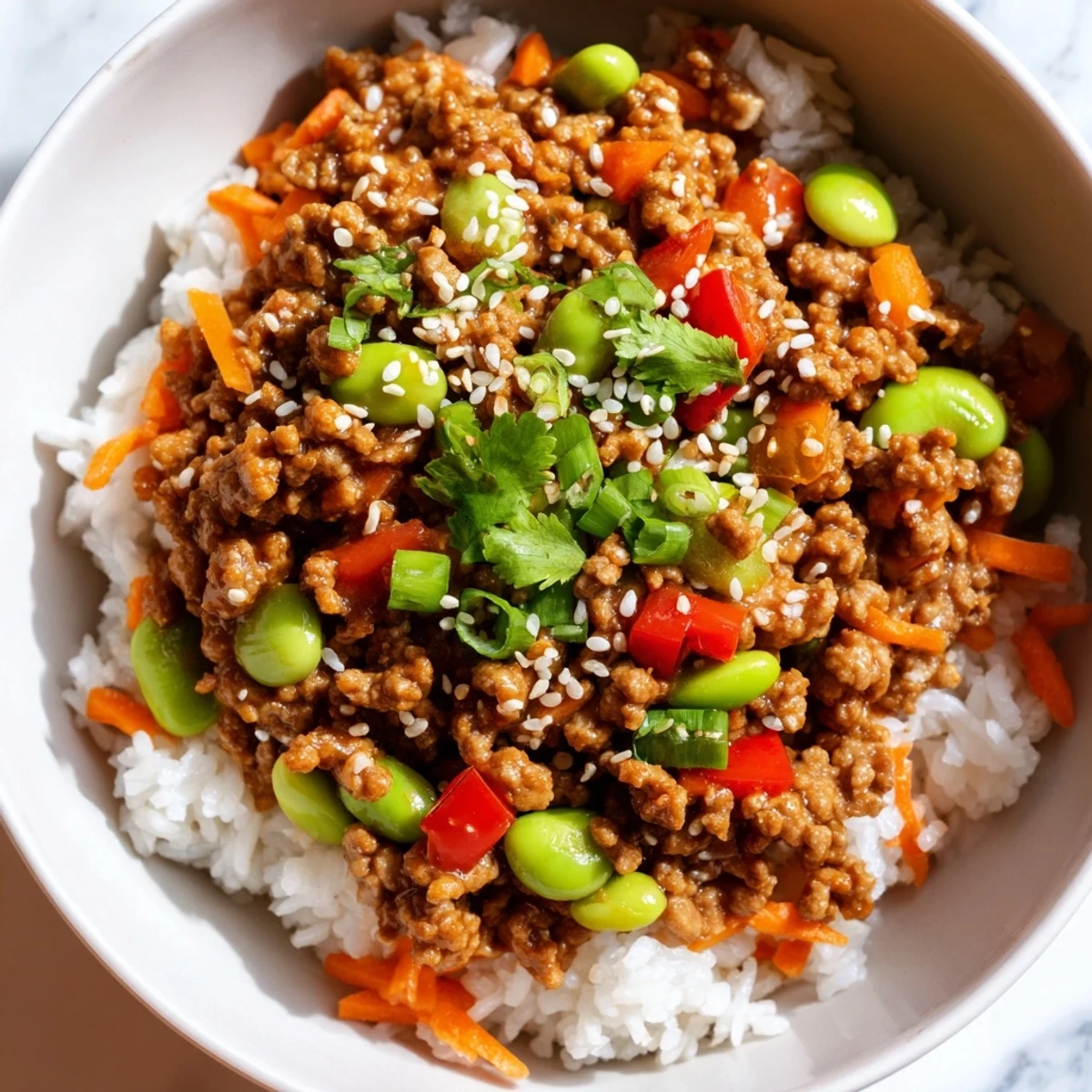
Save Some recipes earn their place in your rotation through sheer dependability, and this is one of them. Keep the sauce ingredients stocked and you are never more than twenty minutes away from something that tastes like you tried much harder than you actually did.
Recipe FAQs
- → Can I use ground chicken instead of ground turkey?
-
Yes, ground chicken works as a direct substitute with the same cooking time. You can also use lean ground beef if you prefer a richer flavor.
- → How do I store leftovers?
-
Store the turkey mixture and rice separately in airtight containers in the refrigerator for up to 4 days. Reheat in the microwave or on the stovetop until warmed through.
- → What can I substitute for rice?
-
Cauliflower rice is an excellent low-carb alternative. Quinoa or farro also work well if you want different textures and added nutrients.
- → Is this dish gluten-free?
-
Yes, when you use tamari instead of regular soy sauce. Always double-check labels on all condiments, especially sriracha, to confirm they are gluten-free.
- → Can I make this ahead for meal prep?
-
Absolutely. Prepare the turkey mixture and rice separately, then portion into containers. The flavors actually improve overnight, making it a great make-ahead option for lunches throughout the week.
- → What vegetables work best in these bowls?
-
Bell peppers, shredded carrots, and edamame provide great color and crunch. You can also add zucchini, snap peas, broccoli florets, or shredded cabbage depending on what you have available.