
 Save
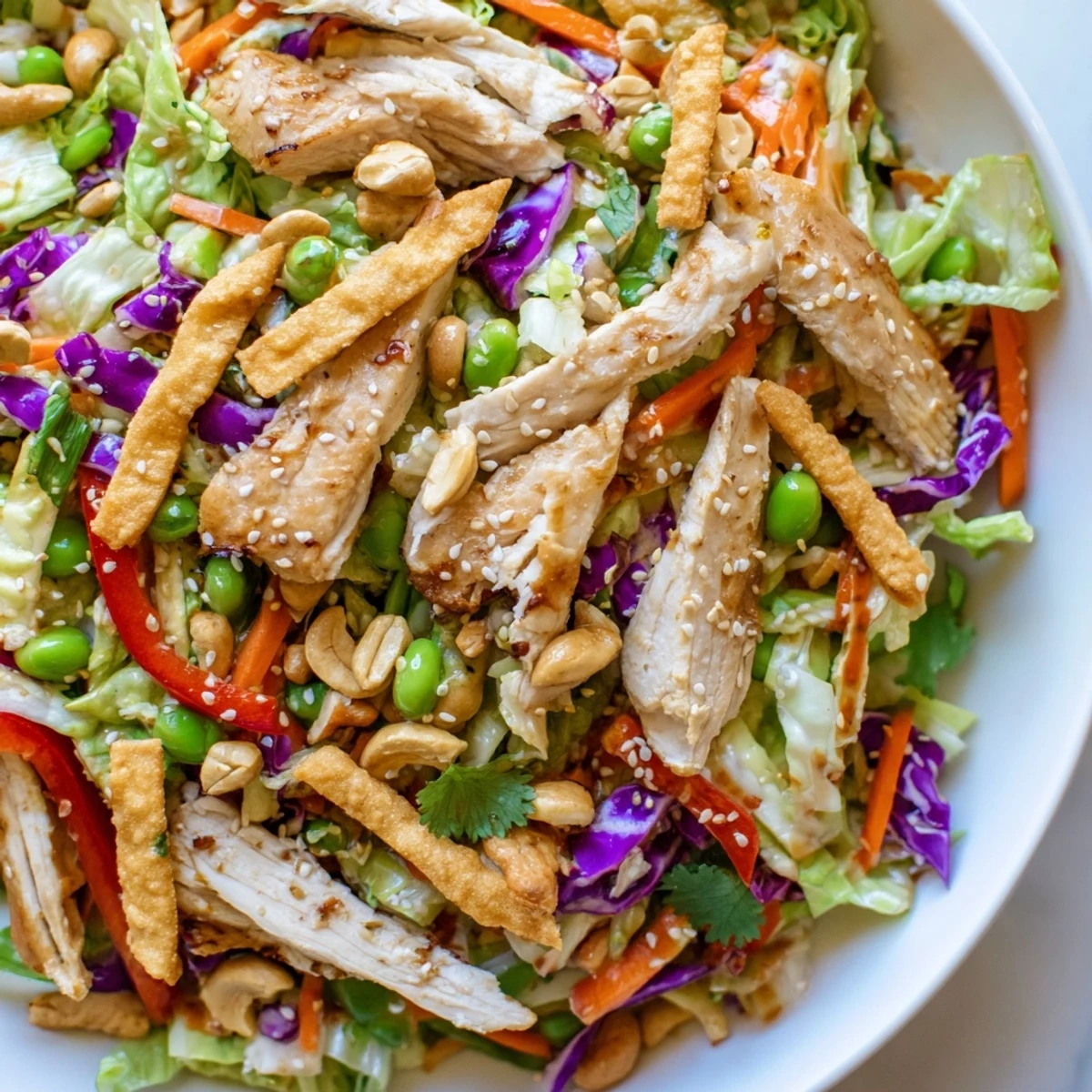
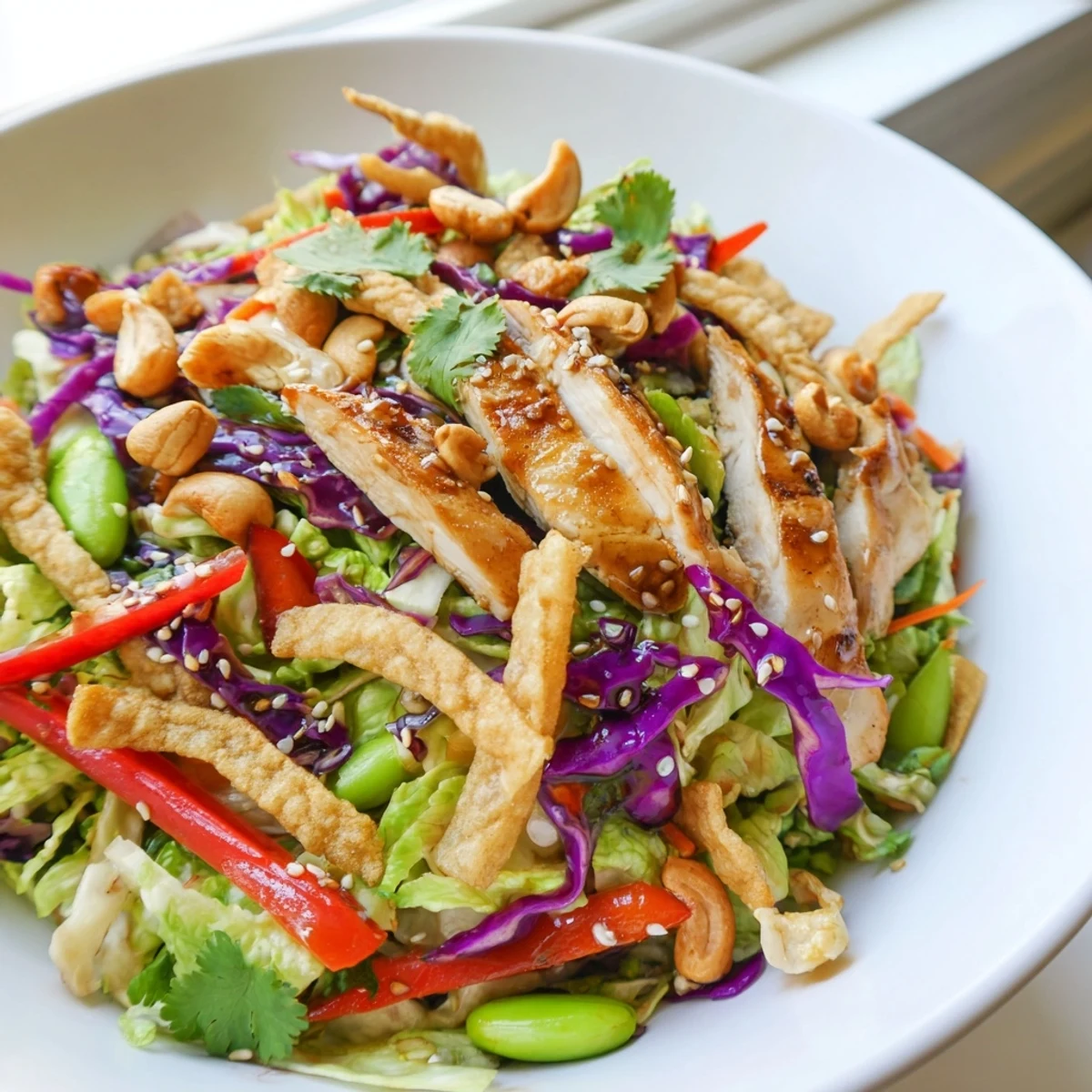
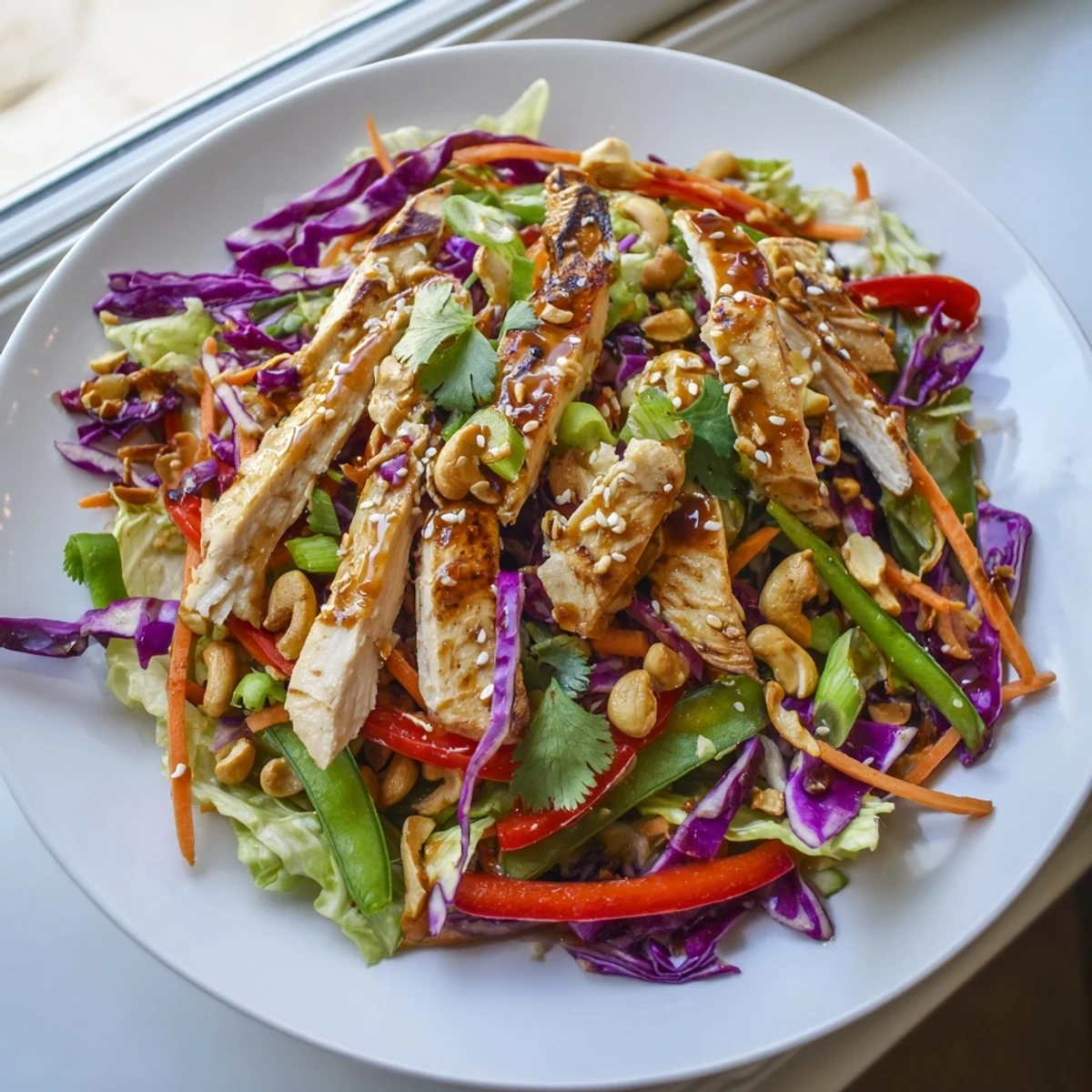
Save This Chicken Cashew Crunch Salad brings together tender pan-seared chicken breasts, a colorful medley of Napa and purple cabbage, julienned carrots, snap peas, and red bell pepper for maximum freshness and texture.
The star of the dish is the tangy sesame-soy dressing, made with rice vinegar, toasted sesame oil, fresh ginger, and a hint of sriracha for gentle heat. Roasted cashews and crispy wonton strips add a satisfying crunch that makes every bite irresistible.
Ready in just 35 minutes with 20 minutes of prep and 15 minutes of cooking, this easy main dish serves four and fits perfectly into dairy-free diets. Customize it with rotisserie chicken for convenience or swap in tofu for a vegetarian twist.
The sizzle of chicken hitting a screaming hot pan on a Tuesday evening is its own kind of therapy, and this salad was born from one of those nights when the fridge offered a random collection of vegetables and a jar of cashews I had been snacking from all week. Something about the combination of charred poultry with the sharp tang of rice vinegar and the unexpected crunch of wonton strips made me stop mid bite and actually pay attention to what I was eating. That does not happen often enough. This dish has been in steady rotation ever since, especially when I want dinner to feel intentional without demanding an hour of my life.
I brought this to a backyard potluck last summer and watched a friend who famously never eats salad go back for a third helping. She asked for the recipe on the spot and I had to admit I had been winging the dressing measurements each time, which finally forced me to write it down properly.
Ingredients
- 2 boneless skinless chicken breasts: Pound them to even thickness before cooking so you do not end up with dried out edges and a raw center.
- 1 tablespoon olive oil: Just enough to get a good sear going without making the chicken greasy.
- Salt and black pepper: Season the chicken generously on both sides before it ever touches the pan.
- 2 cups shredded Napa cabbage: The tender texture of Napa gives you that slaw like bite without being tough to chew.
- 1 cup shredded purple cabbage: Adds brilliant color and a slightly sharper crunch that contrasts beautifully with the softer Napa.
- 1 large carrot julienned: Cut them as thin as you can manage because thick carrot strips throw off the delicate balance of each bite.
- 1 red bell pepper thinly sliced: The sweetness plays against the savory dressing in a way that surprised me the first time I tried it.
- 3 green onions sliced: Scatter these in at the last second so they stay bright and sharp.
- 1 cup snap peas sliced on the diagonal: The bias cut is not just pretty, it exposes more surface area for the dressing to cling to.
- Half cup fresh cilantro leaves: Skip the stems here and just use the leafy parts for a cleaner herbal note.
- Three quarter cup roasted cashews roughly chopped: Do not skip the chopping because whole cashews tumble off the fork and dressed chopped ones distribute their toasty flavor throughout.
- 1 cup crispy wonton strips: These are the wildcard ingredient that makes people ask what is in this salad.
- 2 tablespoons sesame seeds: Toast them in a dry pan for about two minutes and your entire kitchen will smell incredible.
- Quarter cup rice vinegar: The gentle acidity is what makes this dressing sing without overpowering the vegetables.
- 2 tablespoons low sodium soy sauce: Regular soy sauce can make the whole dish too salty, especially once you add the cashews.
- 1 tablespoon toasted sesame oil: This is the backbone of the dressing flavor so make sure your bottle is fresh and actually smells nutty when you open it.
- 1 tablespoon honey or maple syrup: A small amount of sweetness rounds out the vinegar and soy without tipping this into dessert territory.
- 2 tablespoons vegetable oil: Neutral oil carries the flavors of the dressing without competing with them.
- 1 teaspoon fresh ginger grated: Use a microplane and grate it directly into the dressing so you do not lose any of the juicy bits.
- 1 teaspoon garlic minced: One clove is enough because raw garlic can quickly hijack a delicate dressing.
- 1 teaspoon sriracha or chili garlic sauce: Entirely optional but the faint heat it adds keeps each bite interesting.
Instructions
- Cook the chicken:
- Season the breasts with olive oil, salt, and pepper, then sear them in a hot skillet for 6 to 7 minutes per side until the juices run clear and you get a golden crust. Let them rest for a full 5 minutes before slicing so the juices redistribute instead of pooling on your cutting board.
- Build the salad base:
- Toss both cabbages, the julienned carrot, bell pepper, green onions, snap peas, and cilantro into a large bowl and give everything a gentle toss with your hands to combine. Take a moment to appreciate how colorful this looks before the dressing goes on.
- Whisk the dressing:
- Combine the rice vinegar, soy sauce, sesame oil, honey, vegetable oil, ginger, garlic, and sriracha in a small bowl and whisk until the mixture looks cohesive and slightly thickened. Taste it on the tip of a spoon and adjust the salt or heat level to your liking.
- Bring it together:
- Add the sliced chicken to the vegetables and pour the dressing over everything, tossing gently with tongs so the leaves get coated without getting bruised. Work from the bottom of the bowl upward to distribute the heavier ingredients evenly.
- Add the crunch:
- Scatter the chopped cashews, wonton strips, and sesame seeds over the top right before you serve so nothing goes soggy while waiting. The contrast between the crisp toppings and the dressed vegetables is the whole point of this dish.
- Serve immediately:
- Divide among plates and eat right away because this salad is at its absolute best in the first fifteen minutes after assembly.
 Save
Save There was a Thursday night where I ate this standing at the kitchen counter straight from the mixing bowl because plating felt unnecessary and the salad was already disappearing forkful by forkful. Some meals are just like that.
What to Know About Making It Your Own
Rotisserie chicken from the grocery store works beautifully here and cuts your active cooking time down to almost nothing, which I discovered during a particularly lazy Sunday when even turning on the stove felt ambitious. Shred it rather than slicing for a different texture that grabs onto the dressing more aggressively. For a vegetarian version, pressed tofu cubed and pan fried until golden gives you a similarly satisfying protein that soaks up the sesame soy flavors remarkably well. Almonds or peanuts can stand in for cashews if that is what your pantry offers, though I find the buttery quality of cashews particularly well suited to the gentle sweetness of the dressing.
Storing and Making Ahead
The undressed vegetables will hold up in an airtight container in the refrigerator for up to two days, though the cabbage will soften slightly and lose some of its initial snap. The dressing can be made up to a week ahead and stored in a jar in the fridge, and it actually tastes better after sitting overnight because the ginger and garlic have time to meld with the vinegar. Cooked chicken slices will keep for three days refrigerated, making this an excellent candidate for a lunch prep situation where you assemble everything fresh each day.
A Few Final Thoughts Before You Cook
This is the kind of recipe that adapts to whatever you have on hand, so treat the ingredient list as a suggestion rather than a strict contract. The magic is really in the interplay between the crunchy elements and that tangy, slightly sweet dressing.
- If your cashews are salted, reduce the salt in the dressing by half to keep everything balanced.
- A squeeze of fresh lime juice over the finished salad adds a brightness that catches people off guard in the best way.
- Remember that this salad does not wait patiently, so have everyone at the table before you toss it all together.
 Save
Save Make this once and you will find yourself keeping cashews and Napa cabbage stocked as permanent staples, reaching for this recipe whenever you need a dinner that feels fresh and put together without any fuss. Trust your instincts with the seasoning and enjoy every crunchy bite.
Recipe FAQs
- → Can I use rotisserie chicken instead of cooking raw chicken breasts?
-
Absolutely. Shredded rotisserie chicken works wonderfully here and cuts your prep time significantly. Simply shred about 2 cups of meat and add it directly to the salad. It pairs just as well with the sesame-soy dressing.
- → What can I substitute for cashews if I have a nut allergy?
-
Roasted sunflower seeds or pumpkin seeds make excellent nut-free alternatives that still deliver great crunch. If tree nuts are fine but cashews aren't available, roasted peanuts or sliced almonds work beautifully too.
- → How do I keep the salad from getting soggy?
-
The key is to add the cashews, wonton strips, and sesame seeds right before serving. Toss the vegetables and chicken with the dressing first, then sprinkle the crunchy toppings on top. This preserves maximum texture and freshness.
- → Is this salad suitable for meal prep?
-
Yes, with a few adjustments. Store the dressing separately from the vegetables and chicken. Keep the cashews and wonton strips in their own container. Assemble everything just before eating for the best texture and flavor.
- → How spicy is the sesame-soy dressing?
-
The sriracha is optional, so you control the heat level. With 1 teaspoon of sriracha, the dressing has a mild, pleasant warmth. For a spicier kick, add more sriracha or a pinch of chili flakes. Omit it entirely for a family-friendly version.
- → Can I make this dish vegetarian?
-
Definitely. Substitute firm tofu pan-seared until golden for the chicken. Press the tofu well before cooking to achieve a crispy exterior. The sesame-soy dressing complements tofu just as effectively as it does chicken.