
 Save
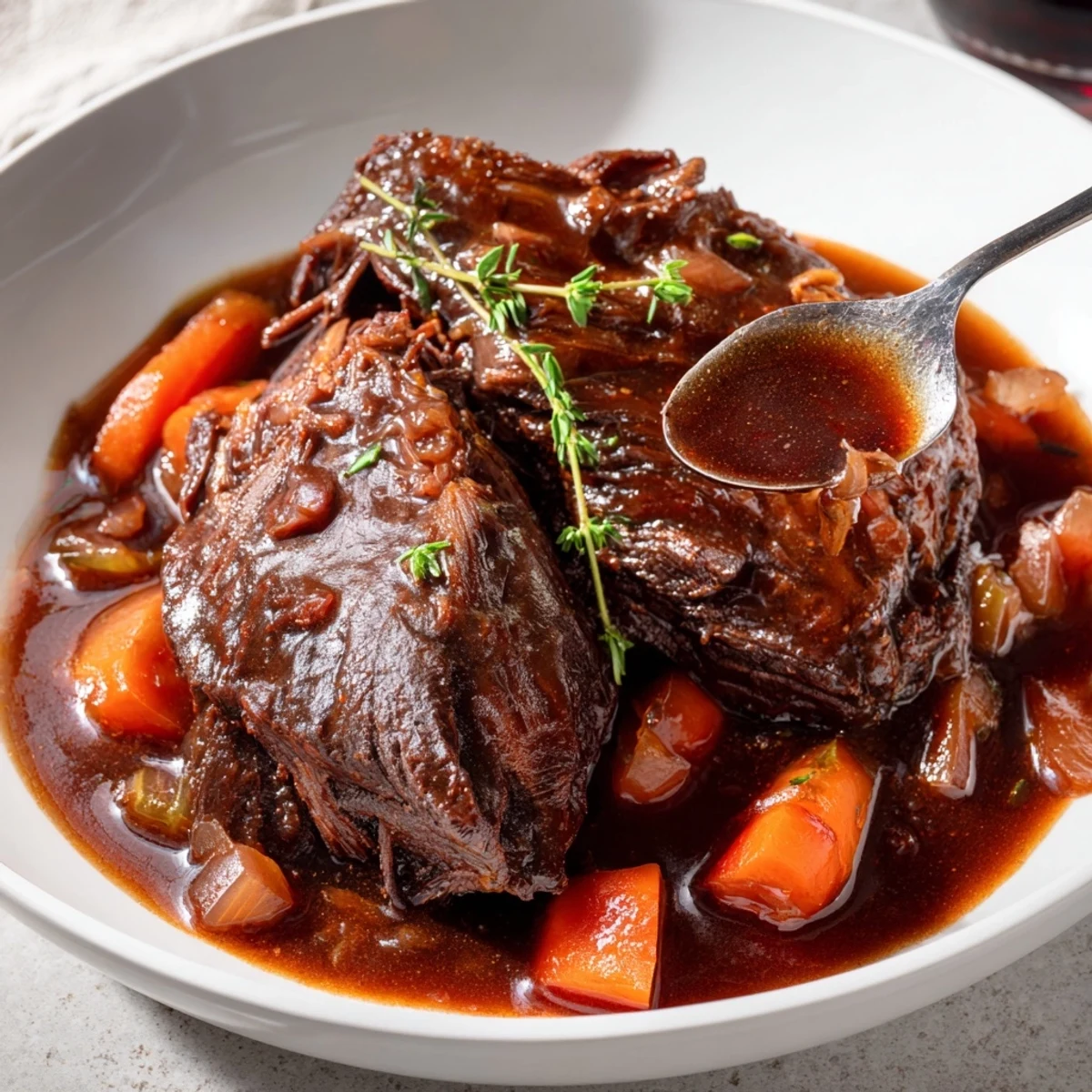
Save Tender beef short ribs are seared to a deep golden crust, then slowly oven-braised in a rich combination of dry red wine, beef broth, and tomato paste alongside aromatic vegetables and fresh herbs.
After nearly three hours in the oven, the meat becomes incredibly fork-tender and practically falls off the bone, while the braising liquid transforms into a luscious, deeply concentrated sauce.
This French-inspired dish is naturally gluten-free and perfect for special occasions or a comforting weekend dinner served over creamy mashed potatoes or polenta.
The rain was hammering against the kitchen window the evening I decided short ribs were going to rescue a terrible Tuesday. Something about the slow transformation from tough, marbled slabs into something trembling and unctuous felt like the right kind of alchemy for a week that had offered nothing but deadlines and cold coffee. The oven did most of the work while I sat on the floor with the dog, reading a novel and breathing in what can only be described as edible comfort. Three hours later, the house smelled like a Parisian bistro and even the cat seemed impressed.
I made these for my neighbors once after they helped me chase a runaway beagle through three backyards, and they showed up at my door the next week asking for the recipe with zero shame. The plate of ribs I handed over that night disappeared before the wine was even poured.
Ingredients
- Bone in beef short ribs (4 lbs or 1.8 kg): The bone is everything here, it releases collagen into the braise and creates that velvety texture you cannot get from boneless cuts.
- Salt and freshly ground black pepper: Season the ribs more aggressively than you think is necessary because the braise will mellow everything out.
- Olive oil (2 tbsp): A neutral or mild olive oil is best since you are searing at high heat and do not want bitterness.
- Large onion, chopped: Cut it fairly rough since it will melt down completely during the long braise.
- Carrots (2), chopped: They add a subtle sweetness that balances the wine and tomato paste beautifully.
- Celery stalks (2), chopped: An unsung hero in the aromatics base that gives the sauce an earthy backbone.
- Garlic cloves (4), minced: Add it after the other vegetables have softened to prevent burning and bitterness.
- Tomato paste (2 tbsp): Browning it for a minute deepens the color and concentrates its umami punch.
- Dry red wine (2 cups or 475 ml): Something you would actually drink, a Cabernet Sauvignon or Merlot works wonderfully.
- Beef broth (2 cups or 475 ml): Low sodium is ideal so you can control the salt level throughout.
- Fresh thyme sprigs (2) and fresh rosemary sprigs (2): Fresh herbs make a noticeable difference here, dried will work but the fragrance will not be the same.
- Bay leaves (2): Remember to fish these out before serving, nobody wants to crunch into one at dinner.
Instructions
- Preheat and season:
- Set your oven to 325 degrees Fahrenheit and pat every surface of the short ribs bone dry with paper towels, then shower them with salt and pepper like you mean it because this is your only chance to season the meat directly.
- Sear the ribs:
- Heat olive oil in a large Dutch oven over medium high heat until it shimmers, then lay the ribs in without crowding and let them develop a deep mahogany crust, about three to four minutes per side, before moving them to a plate.
- Build the aromatics:
- In the same pot with all those gorgeous browned bits still clinging to the bottom, toss in the onion, carrots, and celery, stirring until they soften and begin to caramelize, then add the garlic for just one minute until your kitchen smells extraordinary.
- Add tomato paste and wine:
- Stir the tomato paste into the vegetables and let it cook for a minute until it darkens slightly, then pour in the entire bottle of wine, scraping up every last bit of fond from the bottom because that is where the flavor lives, and let it boil down by half.
- Combine and braise:
- Nestle the short ribs back into the pot, pour in the broth, and tuck in the herb sprigs and bay leaves so the liquid comes almost to the top of the ribs, then bring it to a gentle simmer on the stovetop before covering tightly and sliding it into the oven.
- Let time do its work:
- Braise for two and a half to three hours, resisting the urge to peek, until a fork slides through the meat like warm butter and it literally falls away from the bone when you nudge it.
- Finish the sauce:
- Transfer the ribs and vegetables to a warm platter and discard the spent herbs, then skim the surface fat from the braising liquid and let it reduce on the stovetop for a few minutes until it coats the back of a spoon like silk.
- Serve with generosity:
- Ladle the hot glossy sauce over the ribs and whatever side you have chosen, and watch the faces around your table go quiet with appreciation.
 Save
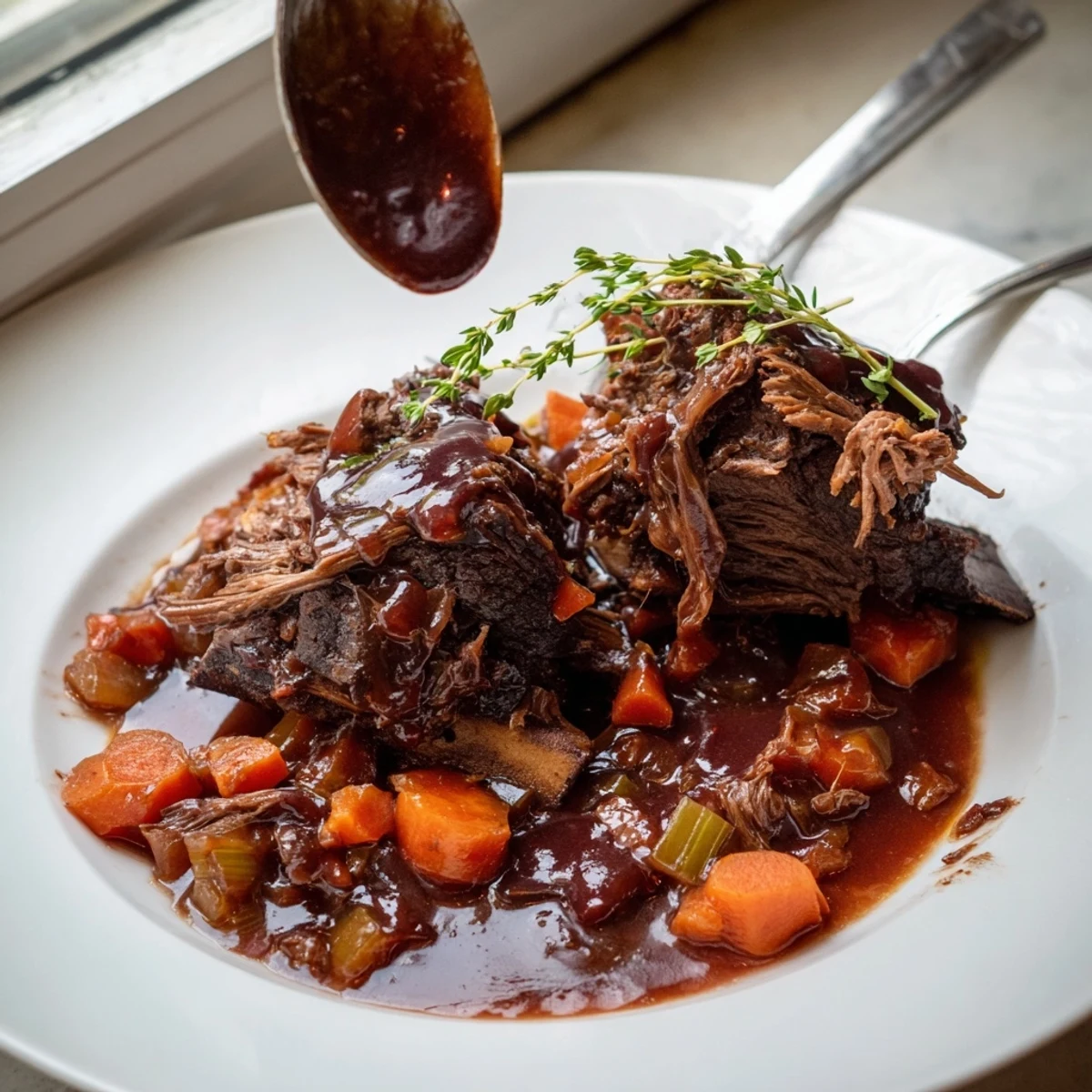
Save There is a particular kind of silence that falls over a dining table when everyone has taken their first bite of truly good short ribs, and it is the most sincere compliment a cook can receive.
What to Serve Alongside
Creamy mashed potatoes are the classic choice and for good reason, they create a pillowy landing pad for all that braising sauce. Polenta works just as beautifully if you stir in a bit of butter at the end, and crusty bread is the simplest path if you want something to soak up every drop without fuss.
Make It Your Own
A handful of sliced mushrooms added with the vegetables brings an earthy depth that pairs especially well with the red wine. You can swap the beef broth for chicken broth in a pinch, though the sauce will be slightly lighter in body. A peeled and quartered parsnip tossed in with the carrots adds a quiet sweetness that most people cannot quite identify but always enjoy.
Storage and Reheating
Short ribs actually taste better the next day when the flavors have had time to mingle and settle, so making them a day ahead is a strategy rather than a compromise. Store the meat and sauce together in the refrigerator and gently reheat on the stovetop over low heat, adding a splash of broth if the sauce has thickened too much overnight.
- Freeze leftover ribs in their sauce for up to three months and thaw overnight in the refrigerator before reheating gently.
- If the sauce separates after refrigeration, simply whisk it together as it warms and it will come back together beautifully.
- Always remove the bay leaves before storing so they do not continue to infuse and overpower the dish.
 Save
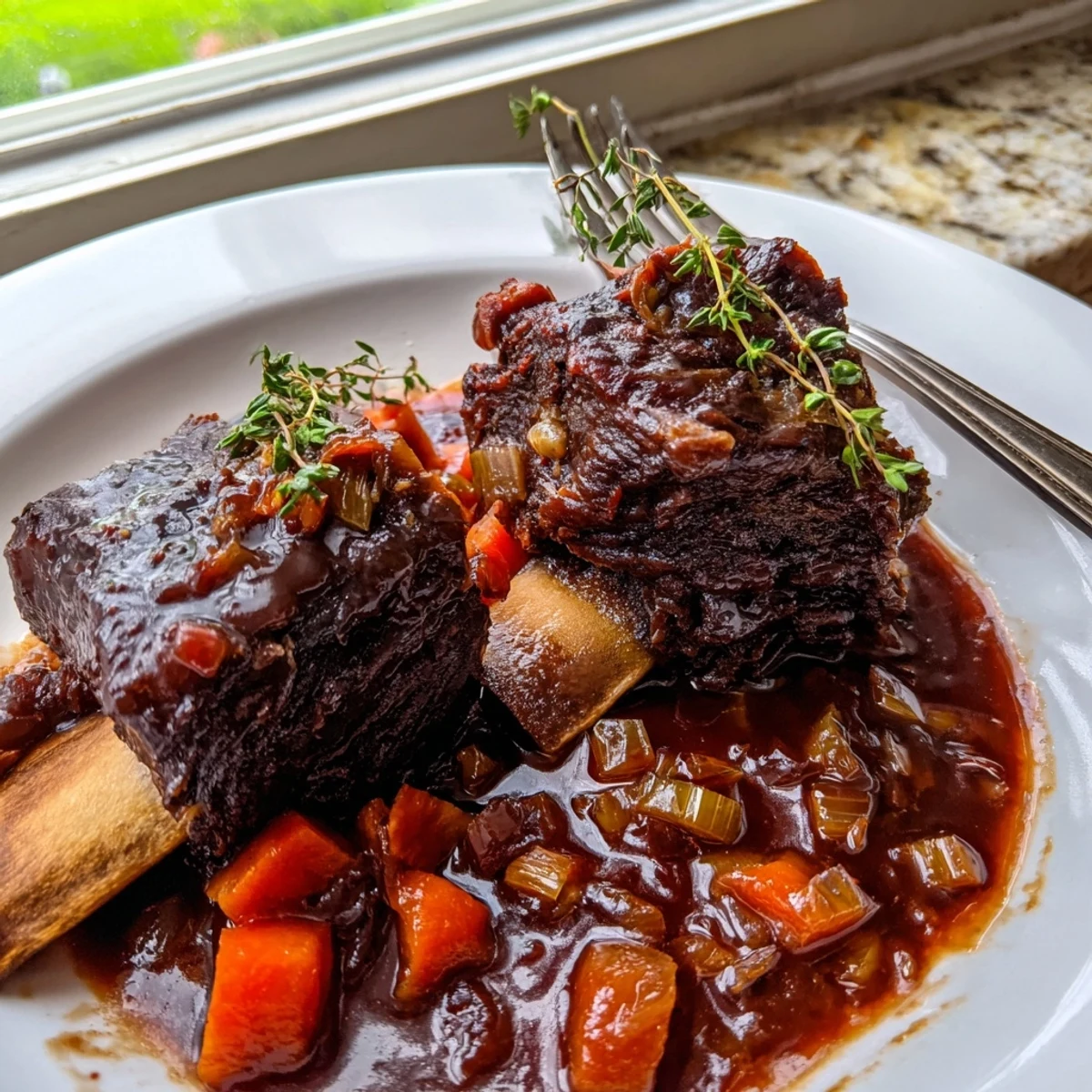
Save Some meals feed the body and some feed the people gathered around your table, and these short ribs have a habit of doing both without even trying.
Recipe FAQs
- → What cut of beef works best for oven braising?
-
Bone-in beef short ribs are ideal for braising because the bone adds rich flavor and the connective tissue breaks down during the long, slow cooking process, resulting in exceptionally tender meat.
- → Can I prepare braised short ribs ahead of time?
-
Yes, braised short ribs actually taste better the next day. The flavors deepen and meld as the dish rests overnight. Simply refrigerate after cooling and reheat gently on the stovetop when ready to serve.
- → What type of red wine should I use for braising?
-
A dry red wine such as Cabernet Sauvignon, Merlot, or Pinot Noir works beautifully. Choose a wine you would enjoy drinking, as its flavor concentrates significantly during the braising process.
- → Why do the short ribs need to be seared before braising?
-
Searing creates a caramelized crust through the Maillard reaction, which adds depth and complexity to the overall flavor. Those browned bits left in the pot also enrich the braising liquid as it reduces.
- → How do I know when the short ribs are done braising?
-
The ribs are ready when a fork slides in and out of the meat with no resistance and the meat is easily pulling away from the bone. This typically takes 2.5 to 3 hours at 325°F.
- → What should I serve with braised beef short ribs?
-
Creamy mashed potatoes, smooth polenta, or crusty bread are classic pairings that soak up the rich sauce beautifully. A side of roasted root vegetables or a simple green salad also complements the dish well.