
 Save
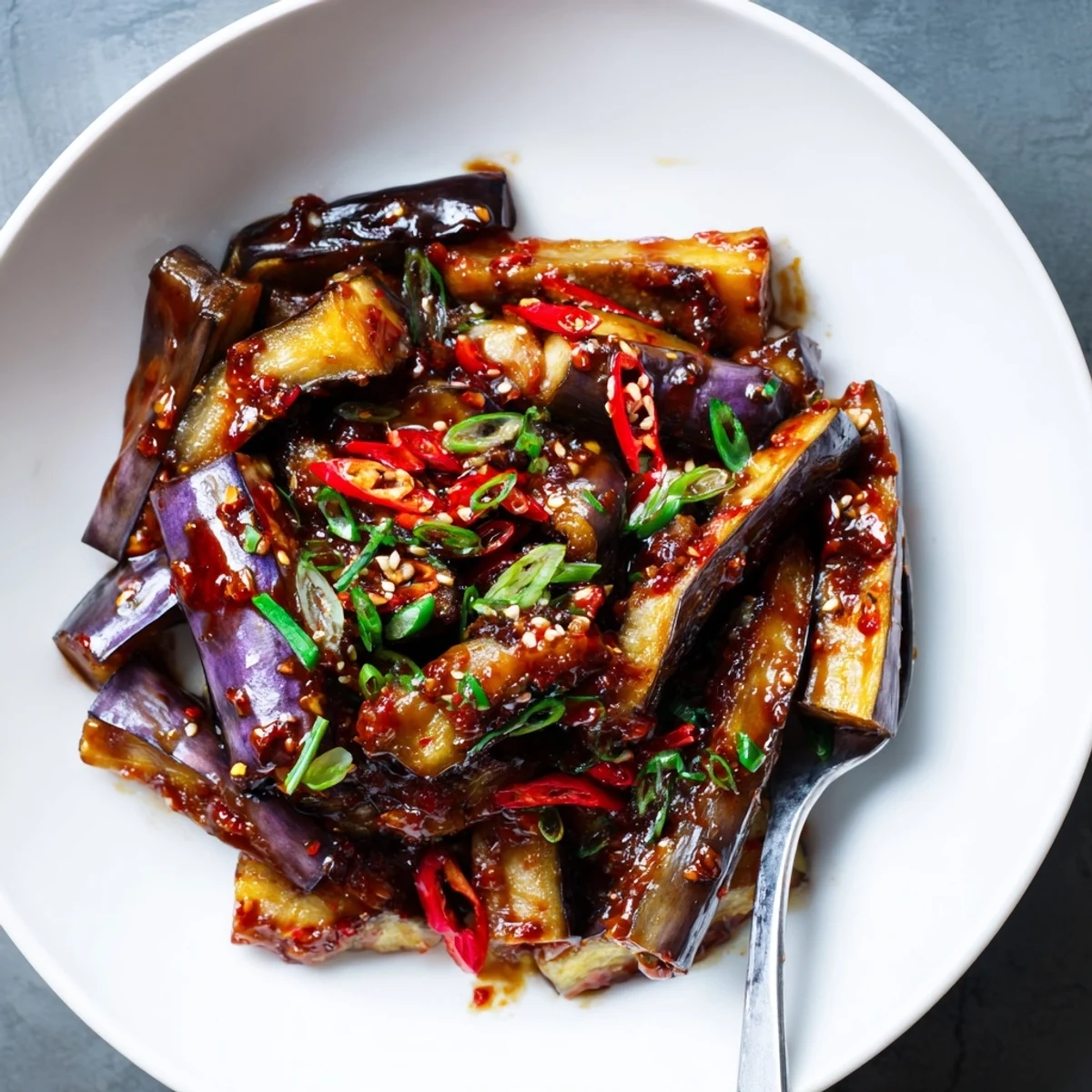
Save This Sichuan-style braised aubergine begins by salting and draining the batons to remove excess moisture, then pan-frying until golden and silky. Ginger, garlic and optional chili are briefly sautéed in the pan oil before doubanjiang and soy deepen the sauce. A gentle simmer in stock allows the aubergine to absorb flavor, and a cornstarch slurry creates a glossy finish. Finish with sesame oil and spring onions and serve with steamed rice or noodles for a hearty vegetarian main.
The kitchen fills with a rich, almost smoky aroma the moment doubanjiang hits a hot wok—there‘s no mistaking the arrival of Sichuan style braised aubergines. I can always tell when I‘m doing this dish right because the sizzling sounds transform my weekday apartment into a makeshift noodle bar. The anticipation that builds while the aubergine softens in the spicy sauce is all part of the charm. Every time I make this, I know dinner will taste bold and unmistakably satisfying.
Once, I whipped up a batch of these braised aubergines for a low-key Friday with friends where we all took turns passing around hot bowls of fluffy jasmine rice. My hands were still tingling from slicing chili and everyone kept asking what made the sauce so irresistible. We joked that the rule was ‘no second servings until you guess the mystery ingredient.’ No one did—but every plate came back scraped clean.
Ingredients
- Aubergines (eggplants): Seek out firm, glossy ones—I find salting helps them turn meltingly soft without soaking up too much oil.
- Spring onions: Add fresh zip at the end—the green tops are a favorite for tossing at the finish.
- Garlic: Minced for aromatic backbone—don‘t rush this step, your nose will let you know when it‘s just right.
- Ginger: That slight heat cuts the richness—I use a spoon to peel it, learned from an old housemate.
- Red chili: Brings spark and color—totally optional, but I never skip for a proper kick.
- Doubanjiang (Sichuan broad bean chili paste): The soul of the dish—fermented, spicy, and impossible to fake; keep in the fridge for a flavor boost anytime.
- Soy sauce + dark soy sauce: Umami depth—balancing the salty and caramel notes took a few tries to get just right.
- Rice vinegar: A subtle tang that brightens each bite—don‘t substitute regular vinegar if you can help it.
- Sugar: Offsets heat and acidity—don‘t be tempted to leave it out, a little sweetness matters.
- Vegetable stock or water: For simmering—stock gives a rounder finish, but water is totally fine in a pinch.
- Vegetable oil: Needed for frying, go for neutral-flavored oil so the sauce isn‘t overpowered.
- Sesame oil: Always drizzle at the end for that toasty, nutty finish.
- Salt: Just enough to season the aubergines—taste as you go.
- Cornstarch and water: Cornstarch slurry transforms the sauce from runny to glossy.
Instructions
- Prep the aubergines:
- Sprinkle the batons lightly with salt and let them rest for 10 minutes. You‘ll see beads of water form—give them a rinse and press gently with paper towels.
- Sizzle the aubergine:
- Heat the oil over medium-high heat. Work in batches if needed, frying the aubergine until golden and tender all over, then set them aside to drain off excess oil.
- Start the aromatics:
- Leave just a slick of oil in the pan. Toss in the ginger, garlic, and red chili—stir-fry just until you can smell their punchy fragrance.
- Doubanjiang moment:
- Stir in doubanjiang and keep things moving as it blooms in the oil, turning everything reddish and glossy.
- Build the sauce:
- Slide the fried aubergines back into the pan and mix to coat. Pour in soy sauces, vinegar, sugar, and stock; gently turn so every piece gets saucy.
- Simmer for flavor:
- Lower the heat and cover. Simmer for about 8-10 minutes, peeking occasionally and giving an easy stir.
- Thicken the sauce:
- Mix the cornstarch and water until smooth, then swirl it into the pan. Watch as the sauce turns velvety in under a minute.
- Final flourish:
- Drizzle with sesame oil and shower spring onions over the top. Serve steaming, with plenty of rice on the side.
 Save
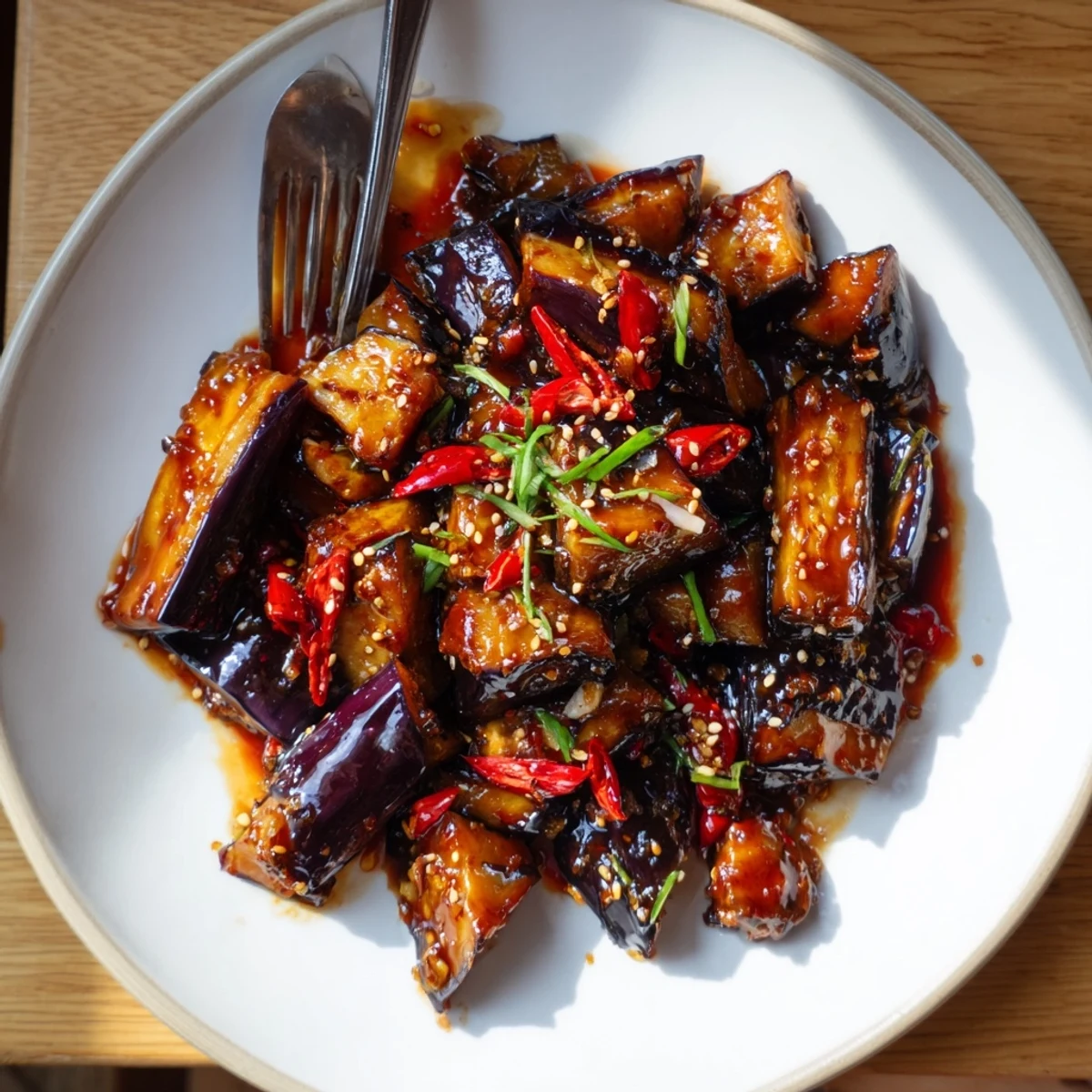
Save The first time I shared this on a rainy evening, my friend and I ate right from the pan, giggling as we tried to fish out the last sticky piece of aubergine. It became our new comfort ritual for grey days.
A Little About Doubanjiang
I once underestimated how vital doubanjiang is to the character of this dish. The first batch with a milder substitute just didn‘t have that deep, heady flavor—the real thing brings a blast of savory heat that can‘t be imitated.
Achieving That Silky Texture
Through plenty of trial and error, I learned that patience is key: giving the aubergines space in the pan and resisting the urge to overcrowd lets them brown, not steam. As tempting as it is to rush, that golden crust is worth the wait.
What To Serve With It
This dish is a natural partner for soft steamed rice, soaking up the saucy goodness. When I feel like changing it up, soba noodles or even a swipe of toasted sourdough make fun alternatives.
- If you like crunch, some chopped toasted peanuts are a knockout addition.
- A handful of tender greens or quick cucumber salad on the side can help balance the heat.
- Don‘t forget that last drizzle of sesame oil—it‘s magic.
 Save
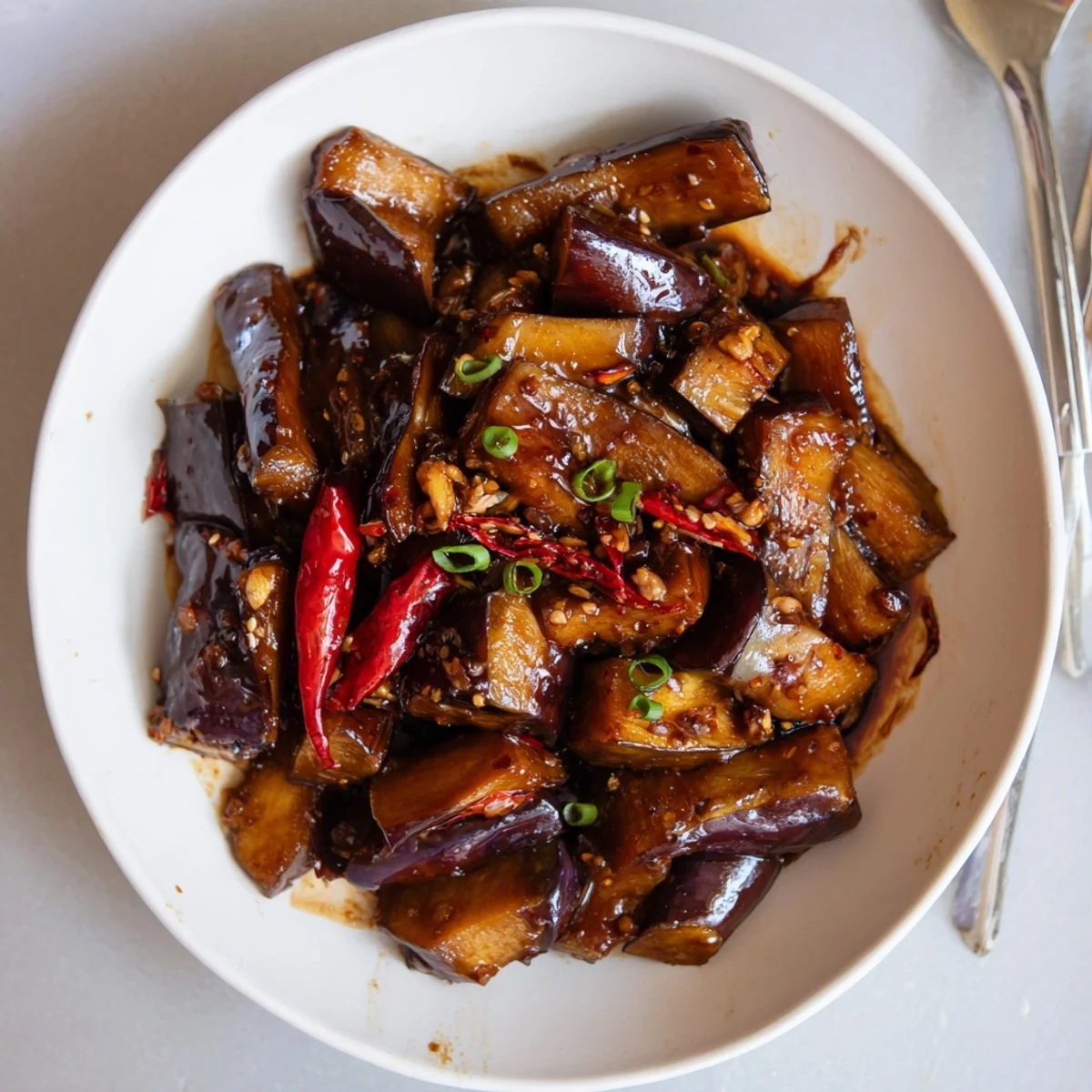
Save If you‘re craving something both bold and comforting, this Sichuan favorite delivers every time. Each bite is a hot, fragrant reminder that sometimes the simplest ingredients create the most memorable dinners.
Recipe FAQs
- → How do I prevent aubergine from becoming soggy?
-
Salt the cut aubergine and let it sit for 10 minutes to draw out moisture, then rinse and pat dry. Frying in hot oil until golden seals the pieces and keeps them tender rather than waterlogged.
- → What can I use if I don't have doubanjiang?
-
Substitute with a chili garlic sauce combined with a spoonful of fermented bean paste if available, or a mix of chili paste and miso for deeper umami. Expect a different but still rich flavor profile.
- → How can I make this gluten-free?
-
Use tamari or a certified gluten-free soy sauce and check the doubanjiang label for gluten. Some brands offer gluten-free fermented bean pastes; otherwise substitute with gluten-free chili paste plus miso.
- → How do I increase or reduce the heat level?
-
Adjust the red chili amount or add crushed Sichuan peppercorns for numbing heat. To tone it down, remove seeds from the chili and use less doubanjiang, or add a touch more sugar or stock to mellow the spice.
- → What’s the best way to reheat leftovers?
-
Gently reheat in a skillet over low heat with a splash of water or stock to loosen the sauce; avoid high heat that can break down the aubergine further. Microwave briefly if short on time, then stir to redistribute the sauce.
- → What should I serve this with?
-
Serve over steamed jasmine rice or with noodles to soak up the sauce. A side of lightly blanched greens balances the rich, spicy flavors and adds freshness.