
 Save
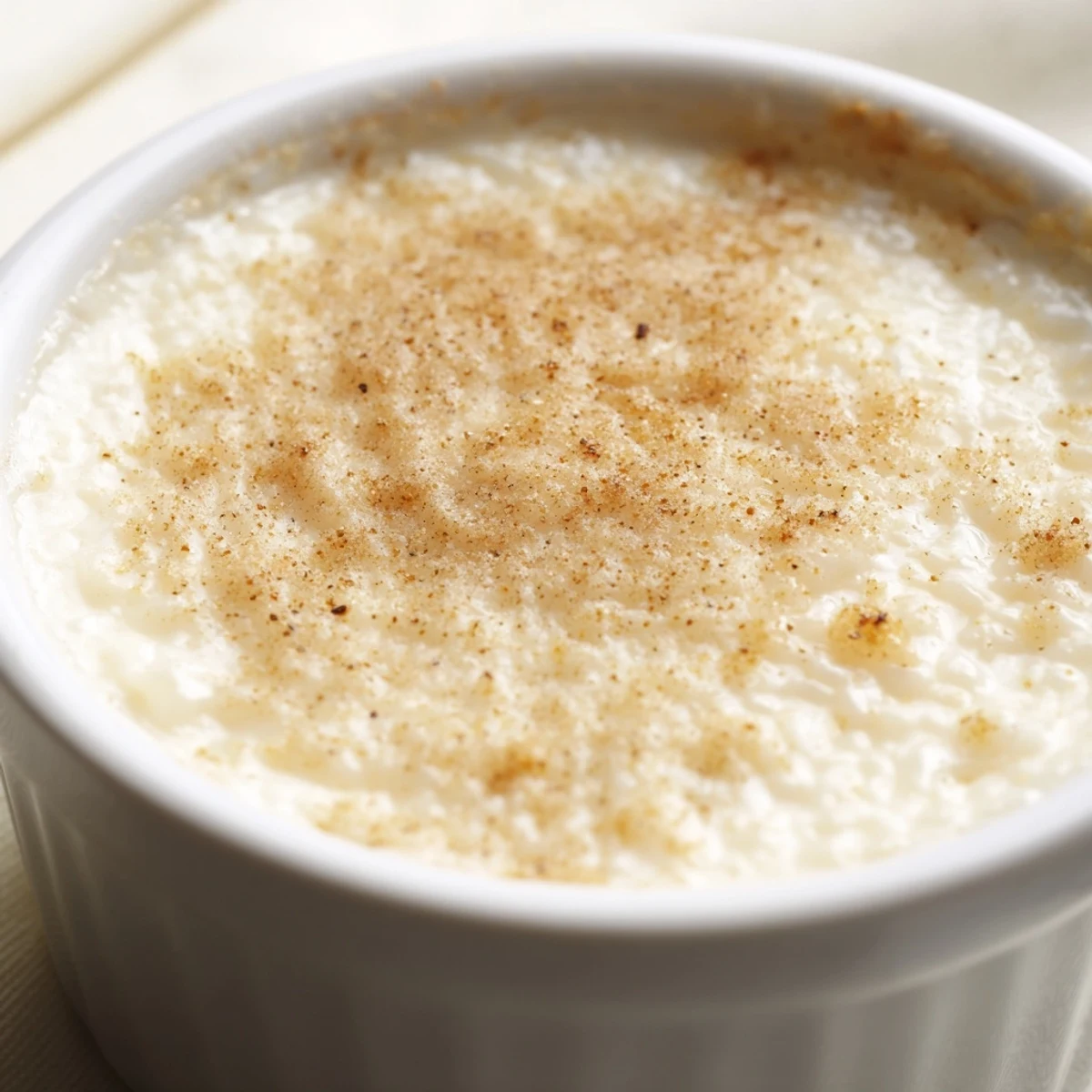
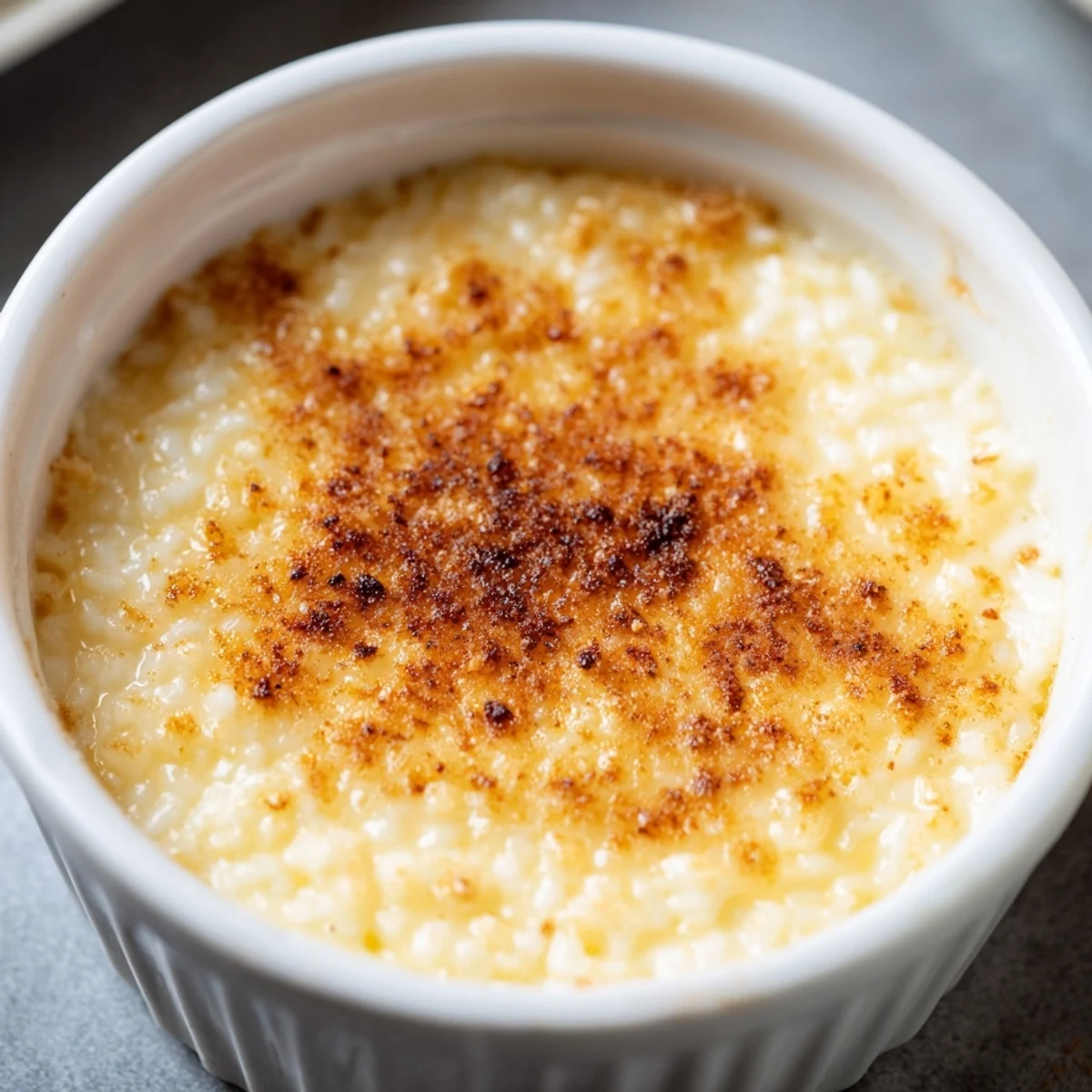
Save This classic Portuguese dessert transforms simple rice into an extraordinary creamy treat. The slow-cooked grains absorb whole milk and heavy cream, creating a luxurious pudding-like consistency. A cinnamon stick and fresh lemon peel infuse subtle warmth and bright citrus notes during simmering. Whisked egg yolks add richness while vanilla extract rounds out the flavor profile. The finishing touch—a generous dusting of cinnamon and sugar—creates a delicate golden crust that perfectly complements the smooth custard beneath.
The steam curling up from my grandmother's kitchen always meant something wonderful was happening. I'd perch on a stool watching her stir a pot of rice pudding, the wooden spoon moving in slow, hypnotic circles. She never measured anything, but the result was always this impossibly creamy comfort that could fix any bad day. Now whenever I make Portuguese rice custard, that same warmth fills my entire kitchen.
Last winter, my neighbor Maria brought over a dish of rice custard after I'd been recovering from surgery. She'd learned the recipe from her mother in Lisbon, and she explained how the secret was patience—stirring slowly, never rushing the rice as it soaked up all that milk. We sat at my kitchen table, eating it warm while the snow fell outside, and I understood why some recipes become family treasures.
Ingredients
- Short-grain rice: Releases starch naturally for that signature creaminess without needing constant stirring
- Whole milk and heavy cream: The combination creates richness while keeping everything perfectly smooth
- Granulated sugar: Sweetens subtly without overpowering the delicate vanilla and citrus notes
- Unsalted butter: Adds a velvety finish that makes each spoonful feel luxurious
- Lemon peel: Use a vegetable peeler for wide strips, avoiding the bitter white pith underneath
- Cinnamon stick: Infuses gentle warmth as it steeps with the rice—break it in half to release more flavor
- Vanilla extract: The final touch that ties everything together beautifully
- Salt: Just a pinch balances the sweetness and enhances all the flavors
- Egg yolks: Create the custard's silky body and help it set perfectly
- Topping cinnamon and sugar: Forms that irresistible golden crust everyone fights over
Instructions
- Simmer the rice:
- Combine the rice, milk, cream, lemon peel, cinnamon stick, and salt in a medium saucepan. Bring everything to a gentle bubble over medium heat, giving it an occasional stir to keep things moving.
- Cook to tenderness:
- Lower the heat and let it simmer for 25 to 30 minutes, stirring frequently so nothing sticks. The rice should be completely soft and the mixture noticeably thicker.
- Add sweetness:
- Fish out and discard the lemon peel and cinnamon stick, then stir in the sugar, butter, and vanilla. Let everything cook together for 2 to 3 minutes until the sugar fully disappears into the custard.
- Temper the yolks:
- Whisk your egg yolks in a separate bowl until they're pale and smooth. Ladle a few spoonfuls of the hot rice mixture into the yolks while whisking constantly—this gentle introduction prevents scrambling.
- Combine and thicken:
- Pour the warmed yolks back into the saucepan and cook over low heat, stirring without stopping for 2 to 3 minutes. You'll feel it thicken slightly—remove it immediately once it coats the back of a spoon.
- Finish and serve:
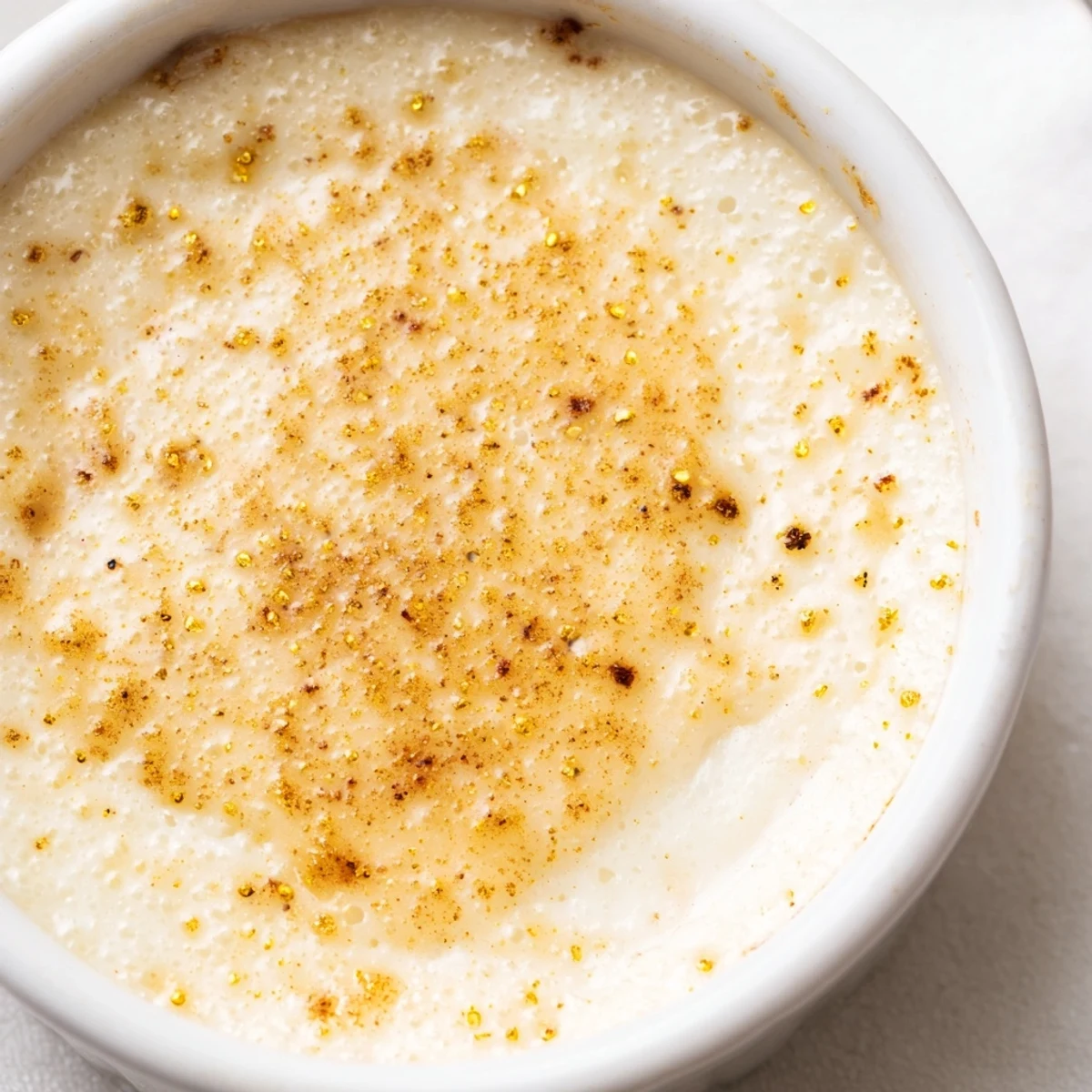
- Spoon the custard into ramekins or a pretty serving dish. Mix the remaining sugar and cinnamon, then sprinkle it generously over the top. Let it cool until comfortable to eat, or refrigerate for a few hours if you prefer it chilled.
 Save
Save My daughter now asks for this on her birthday instead of cake, and I cannot blame her. There is something so deeply satisfying about a dessert that feels like a hug from the inside out.
Making It Ahead
The custard actually improves after a night in the refrigerator—the flavors meld together and the texture becomes even more luxurious. Just store it without the cinnamon sugar topping, then add that fresh crust right before serving.
Serving Suggestions
Port wine or a sweet moscato creates the perfect pairing, cutting through the richness while complementing the warm spices. Sometimes I will add a dollop of whipped cream if I am feeling particularly indulgent.
Common Questions
The most frequent question is whether arborio rice works here, and yes, it is actually an excellent choice. Keep your heat low and steady throughout the entire process.
- Short-grain rice is traditional, but medium grain works in a pinch
- Add the cinnamon sugar topping just before serving so it stays crunchy
- Leftovers keep beautifully for three days in the refrigerator
 Save
Save Every spoonful of this custard carries the warmth of kitchens and conversations shared over generations. Hope it brings comfort to your table too.
Recipe FAQs
- → What type of rice works best for this custard?
-
Short-grain rice is ideal because its high starch content releases during cooking, creating a naturally creamy texture. Arborio or pearl rice work beautifully, though medium-grain rice can also be used for slightly firmer results.
- → Can I make this dessert ahead of time?
-
Yes, Portuguese rice custard tastes even better when made a day ahead. The flavors deepen as it rests, and the texture becomes more velvety. Store covered in the refrigerator and bring to room temperature before serving.
- → How do I prevent the eggs from curdling?
-
The key is tempering—gradually whisking small amounts of hot rice mixture into the yolks before combining. This raises the egg temperature gently. Keep the heat low and stir constantly when cooking the combined mixture.
- → What's the best way to serve this custard?
-
Serve slightly warm for maximum creaminess or thoroughly chilled for a firmer texture. Individual ramekins make elegant portions, while a family-style dish creates a rustic presentation. Pair with a sweet port wine or dessert wine.
- → Can I customize the flavorings?
-
Absolutely. Orange peel makes a lovely alternative to lemon, or try infusing the milk with a bay leaf for a more traditional approach. A pinch of nutmeg or cardamom in the topping adds warmth and complexity.