
 Save
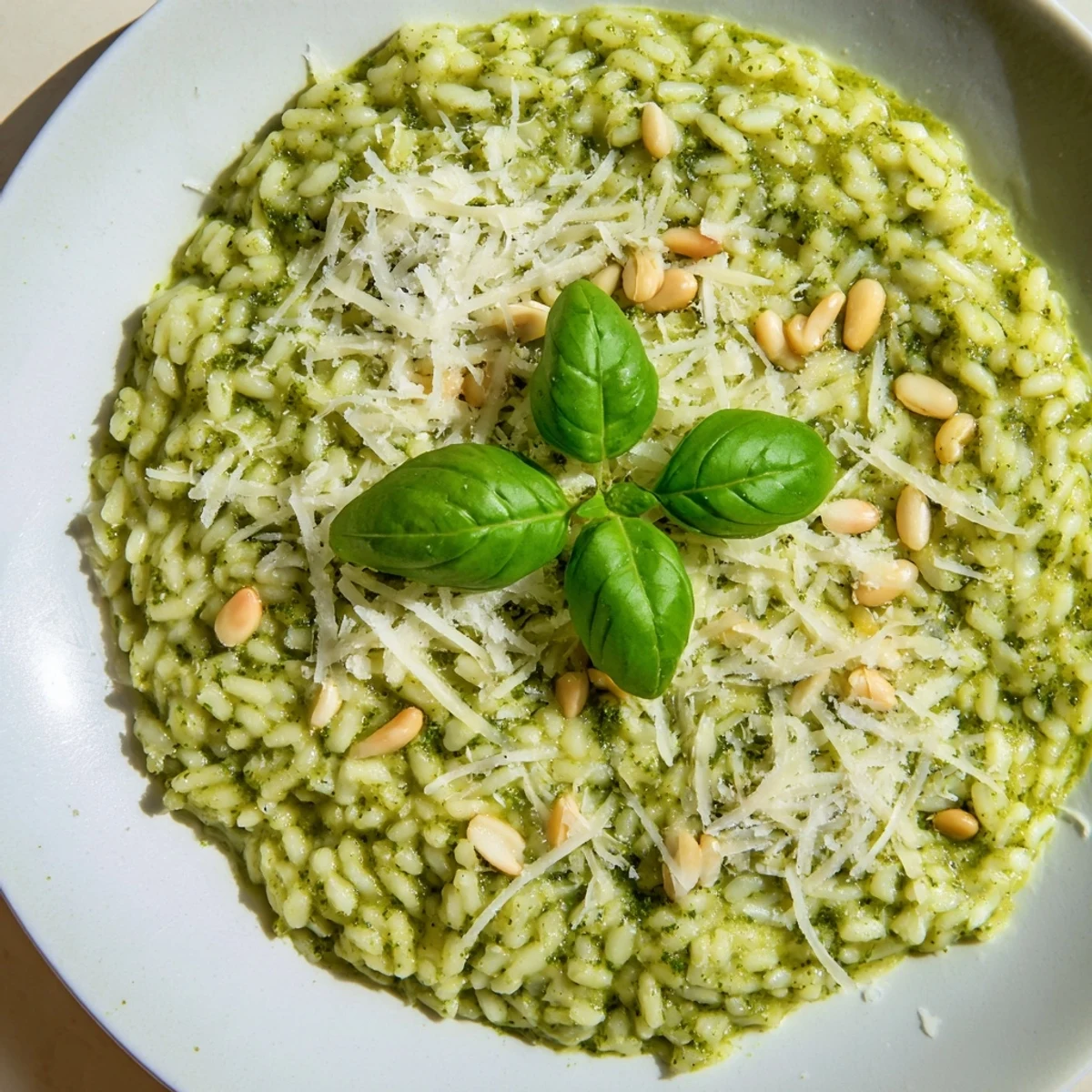
Save ThisParmesan pesto risotto combines creamy Arborio rice with aromatic fresh basil pesto and rich Parmesan for a comforting Italian dish. The slow addition of warm vegetable broth creates that signature velvety texture, while a finish of butter and extra cheese adds luxurious depth. Perfect for dinner parties or weeknight comfort, this versatile dish shines as a main course or elegant side alongside grilled vegetables and crisp white wine.
The first time I attempted risotto, I stood at the stove for forty minutes straight, convinced I'd ruined it when the rice still had a bite. My Italian neighbor leaned over the balcony railing and laughed, saying that's exactly how it should be. Now that gentle resistance in the grain is what I look for, that moment when you know you've nailed it.
Last winter, my friend Elena came over during a snowstorm and we made this while listening to old jazz records. She kept asking if it was done yet, hovering over the pot with her wine glass, but I told her the real magic happens in those last minutes of patient stirring. When we finally sat down to eat, steam rising from our bowls, she admitted the wait was worth it.
Ingredients
- Arborio rice: This short-grain rice is what creates that signature creamy texture while keeping its bite—don't substitute with long-grain varieties
- Vegetable broth: Keeping it warm is crucial, as cold broth shocks the rice and interrupts the creamy release of starch
- Butter and olive oil: The combination gives you richness while preventing the butter from burning at higher heat
- Yellow onion: Finely diced so it melts into the rice, providing a sweet foundation without overwhelming texture
- Garlic: Mince it fresh rather than using pre-minced, which can turn bitter
- Dry white wine: Use something you'd actually drink, as its acidity balances the final richness
- Parmesan cheese: Freshly grated is non-negotiable—pre-grated lacks the melting quality that makes risotto luxurious
- Basil pesto: Homemade pesto transforms this dish, but a quality jarred version works in a pinch
- Salt and pepper: Taste as you go, since Parmesan already brings significant saltiness
Instructions
- Build your flavor foundation:
- Melt butter with olive oil in a large, heavy-bottomed saucepan over medium heat. Add the diced onion and cook until it turns translucent and soft, about 3 minutes. Stir in the minced garlic and let it bloom for just 1 minute—you want it fragrant, not browned.
- Toast the rice:
- Add the Arborio rice to the pan, stirring constantly to coat every grain in the fat. Continue for about 2 minutes until the rice smells slightly nutty and you can see a translucent edge forming on each grain.
- Deglaze with wine:
- Pour in the white wine and stir until it's nearly absorbed, the aroma filling your kitchen. This step deglazes the pan and adds a subtle acidity that will balance the final dish.
- The ladle-by-ladle technique:
- Add warm broth one ladle at a time, stirring frequently. Wait until most of the liquid is absorbed before adding more, repeating this meditative process for 18 to 20 minutes. The rice should be creamy but still have a slight bite at the center—you might not need all the broth.
- Finish with flair:
- Reduce the heat to low and stir in the Parmesan and pesto until fully incorporated. Season with salt and pepper, then remove from heat, cover, and let it rest for 2 minutes to allow the flavors to meld.
 Save
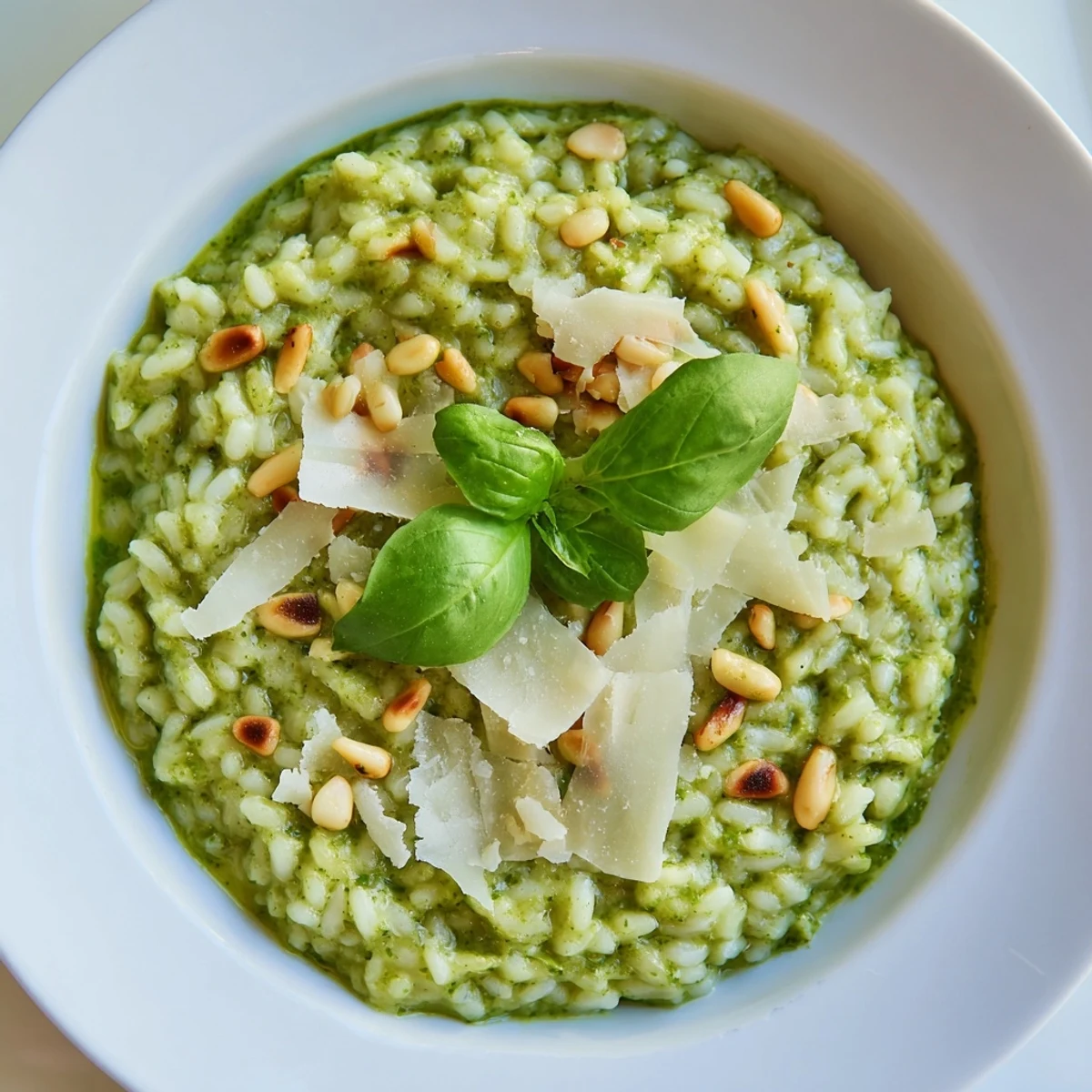
Save This recipe has become my go-to for dinner parties because it feels indulgent without requiring endless preparation. Something about the rhythm of adding broth and stirring invites conversation, guests gathering around the stove with their wine glasses.
Making It Your Own
Some nights I add sautéed mushrooms when I cook the onions, letting them brown first so they bring a meaty depth to the bowl. Roasted cherry tomatoes folded in at the end burst when you bite them, creating little pockets of sweetness.
Wine Pairing Magic
A crisp Pinot Grigio or Sauvignon Blanc cuts through the richness beautifully, but honestly, any white wine you use in the pot will work on the table. Just make sure it's something bright with good acidity.
Timing Everything Perfectly
Risotto waits for no one, so time your final steps so guests are ready to eat the moment it comes off the heat. Have your garnishes prepped and wine poured before you start that final round of stirring.
- Set the table while the broth warms up
- Grate extra Parmesan at the start for serving
- Toast pine nuts in advance so they're ready to sprinkle
 Save
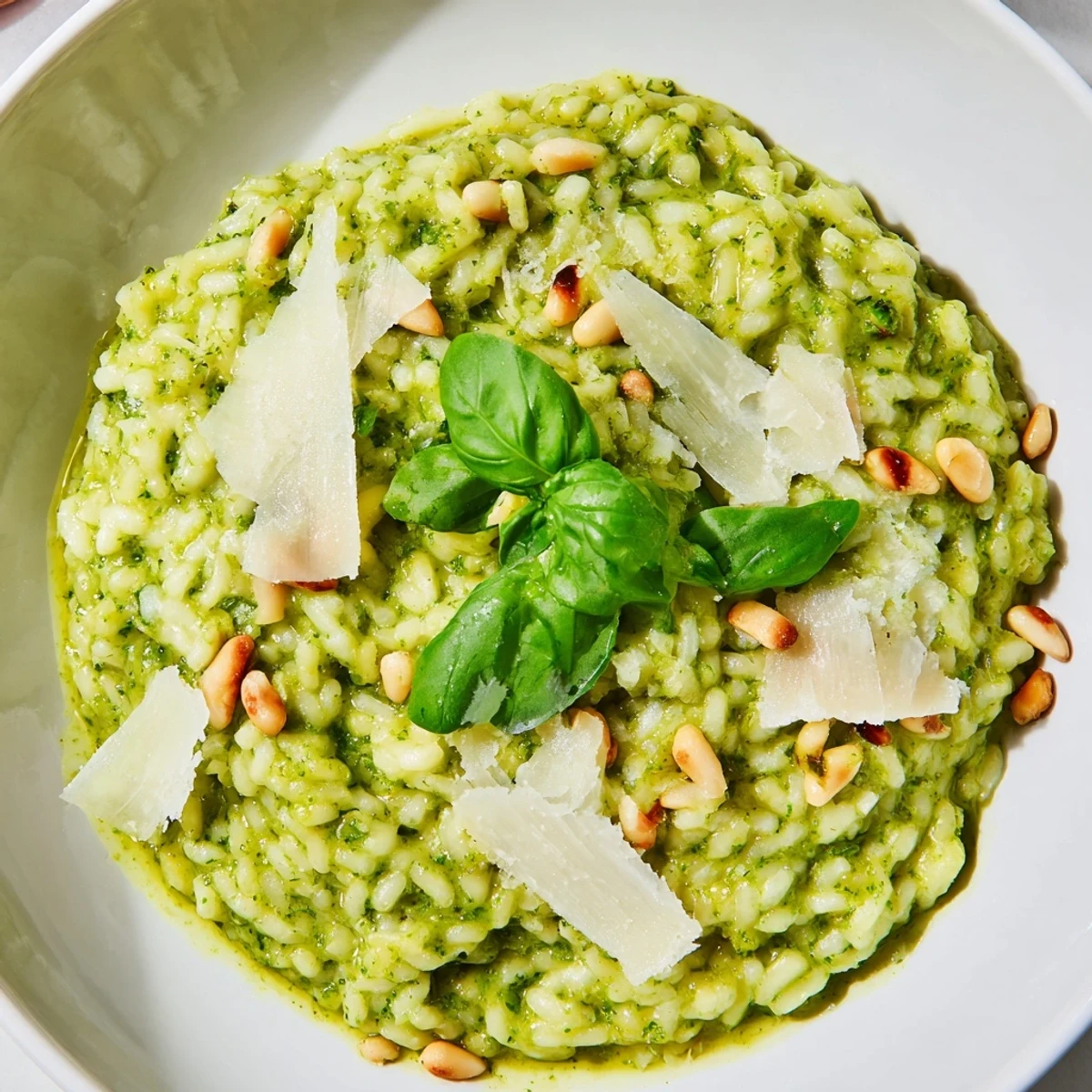
Save There's something deeply satisfying about this dish—the way it transforms simple ingredients into something that feels like a hug in a bowl. Hope it becomes a staple in your kitchen too.
Recipe FAQs
- → What makes risotto creamy without heavy cream?
-
The creaminess comes from slowly stirring warm broth into Arborio rice, which releases its natural starches. This traditional Italian technique creates a velvety texture without adding any cream.
- → Can I make this without wine?
-
Yes, simply substitute the white wine with additional vegetable broth. The wine adds depth and acidity, but the dish remains delicious without it.
- → Why must the broth be warm?
-
Adding cold broth shocks the rice and interrupts the cooking process. Warm broth maintains consistent temperature, allowing even starch release for that perfectly creamy texture.
- → How do I store and reheat leftovers?
-
Store in an airtight container for up to 3 days. Reheat with a splash of broth or water, stirring gently to restore creaminess. The texture will be slightly thicker than freshly made.
- → Can I use other rice varieties?
-
Arborio is essential for authentic risotto because its high starch content creates the creamy texture. Other short-grain rices like Carnaroli work, but long-grain varieties won't achieve the same result.
- → What can I add for extra protein?
-
Stir in sautéed shrimp, grilled chicken, or pan-seared scallops during the final minutes. For vegetarians, white beans or roasted vegetables add protein while complementing the flavors.