
 Save
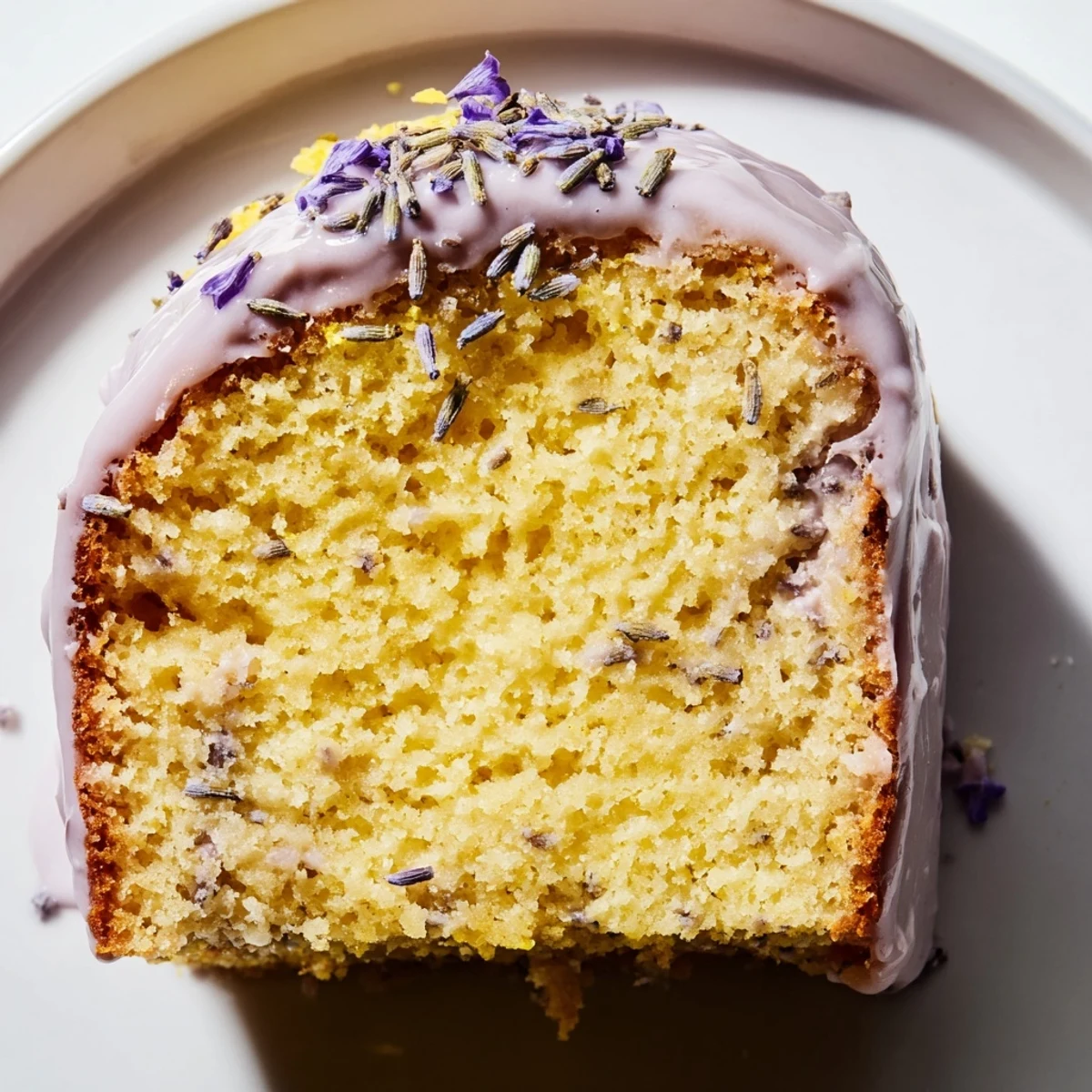
Save This elegant lavender cake combines the subtle floral notes of culinary lavender with a tender, buttery crumb. The batter is infused with finely chopped lavender buds and baked until golden. An optional lavender syrup soaking adds extra moisture and intensifies the floral essence. The finishing touch—a bright lemon lavender glaze—balances the sweetness with refreshing citrus acidity. Ready in under an hour, this sophisticated European-style dessert serves eight beautifully.
The scent of lavender always transports me back to a tiny bakery in Provence where I watched an elderly baker carefully fold purple buds into buttercream. She told me that lavender, like people, needs patience and restraint. Too much becomes medicinal, but just the right amount creates something ethereal. That afternoon changed everything I thought I knew about floral desserts.
Last summer I made this cake for my sister's garden birthday party. Guests kept asking what the secret ingredient was, their eyes lighting up when I mentioned lavender. One friend actually asked to take home the recipe card. Now it's the most requested dessert for any outdoor gathering.
Ingredients
- All-purpose flour: The foundation that gives the cake structure without being dense
- Baking powder: Essential for that light, tender crumb we want
- Salt: Just a pinch to enhance and balance all the flavors
- Unsalted butter: Room temperature butter creates the perfect fluffy base
- Granulated sugar: Sweetens while creaming creates air pockets for lift
- Large eggs: Bring structure and richness to the batter
- Culinary lavender buds: Food grade is non-negotiable, never use lavender from the craft store
- Vanilla extract: Classic pairing that rounds out the floral notes
- Whole milk: Adds moisture and tenderness to the final crumb
- Water and sugar: Simmered with lavender to create an aromatic soaking syrup
- Powdered sugar: Creates the smooth, pourable consistency for the glaze
- Fresh lemon juice: Cuts through the sweetness and complements lavender beautifully
Instructions
- Preheat and prep your pan:
- Set your oven to 350°F (175°C) and generously grease an 8-inch round cake pan with butter, then dust it with flour.
- Whisk the dry ingredients:
- In a medium bowl, combine flour, baking powder, and salt until well blended.
- Cream the butter and sugar:
- Beat softened butter and sugar in a large bowl until the mixture becomes pale and fluffy.
- Add eggs and flavorings:
- Beat in eggs one at a time, then mix in the finely chopped lavender and vanilla extract.
- Combine wet and dry:
- Alternate adding the flour mixture and milk, starting and ending with the flour mixture.
- Bake until golden:
- Pour batter into your prepared pan, smooth the top, and bake for 25-30 minutes until a toothpick comes out clean.
- Make the lavender syrup:
- While the cake bakes, simmer water, sugar, and lavender buds for 3 minutes, then strain and set aside to cool slightly.
- Soak the warm cake:
- Let the cake cool for 10 minutes, poke small holes across the surface, and gently brush with the warm lavender syrup.
- Prepare the glaze:
- Whisk powdered sugar with lemon juice and finely chopped lavender until completely smooth.
- Finish and serve:
- Drizzle the glaze over the completely cooled cake and let it set before slicing.
 Save
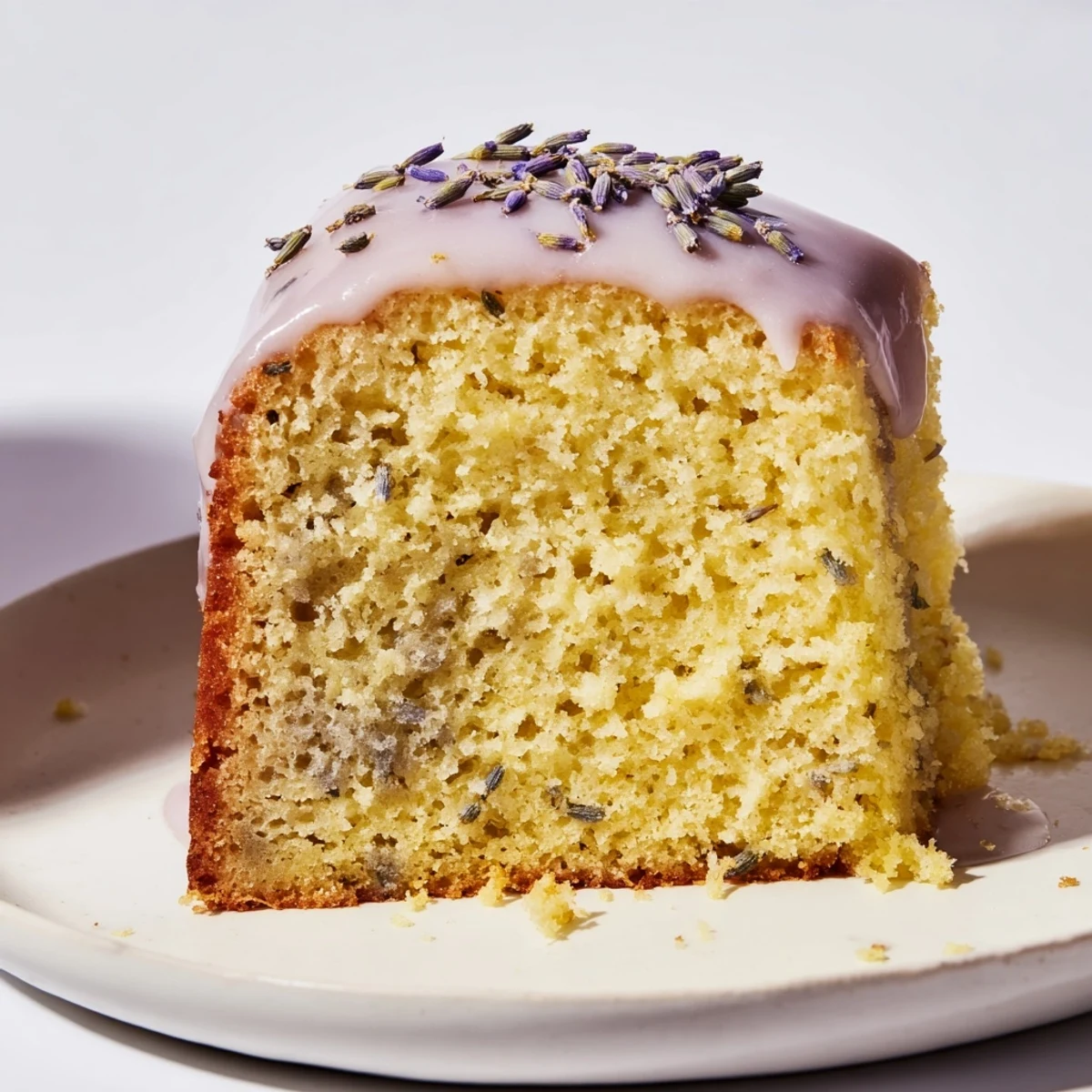
Save This cake has become my go-to when I want to make something that feels special but doesn't require hours of work. There's something magical about serving something that looks and tastes like it came from a fancy patisserie.
Working with Lavender
Dried culinary lavender buds can be found in specialty spice shops or well-stocked grocery stores. Pulse them in a clean coffee grinder or mortar and pestle to release their aromatic oils before adding to your batter.
Making It Ahead
The cake layers can be baked and frozen up to a month in advance if wrapped tightly. Thaw overnight in the refrigerator, then bring to room temperature before glazing and serving.
Serving Suggestions
Serve this cake with a cup of Earl Grey tea to complement the floral notes beautifully. It's also lovely with fresh berries or a dollop of lightly sweetened whipped cream.
- Let the glaze set completely before covering or storing
- Store at room temperature for up to 2 days, then refrigerate
- Bring refrigerated cake to room temperature for the best texture
 Save
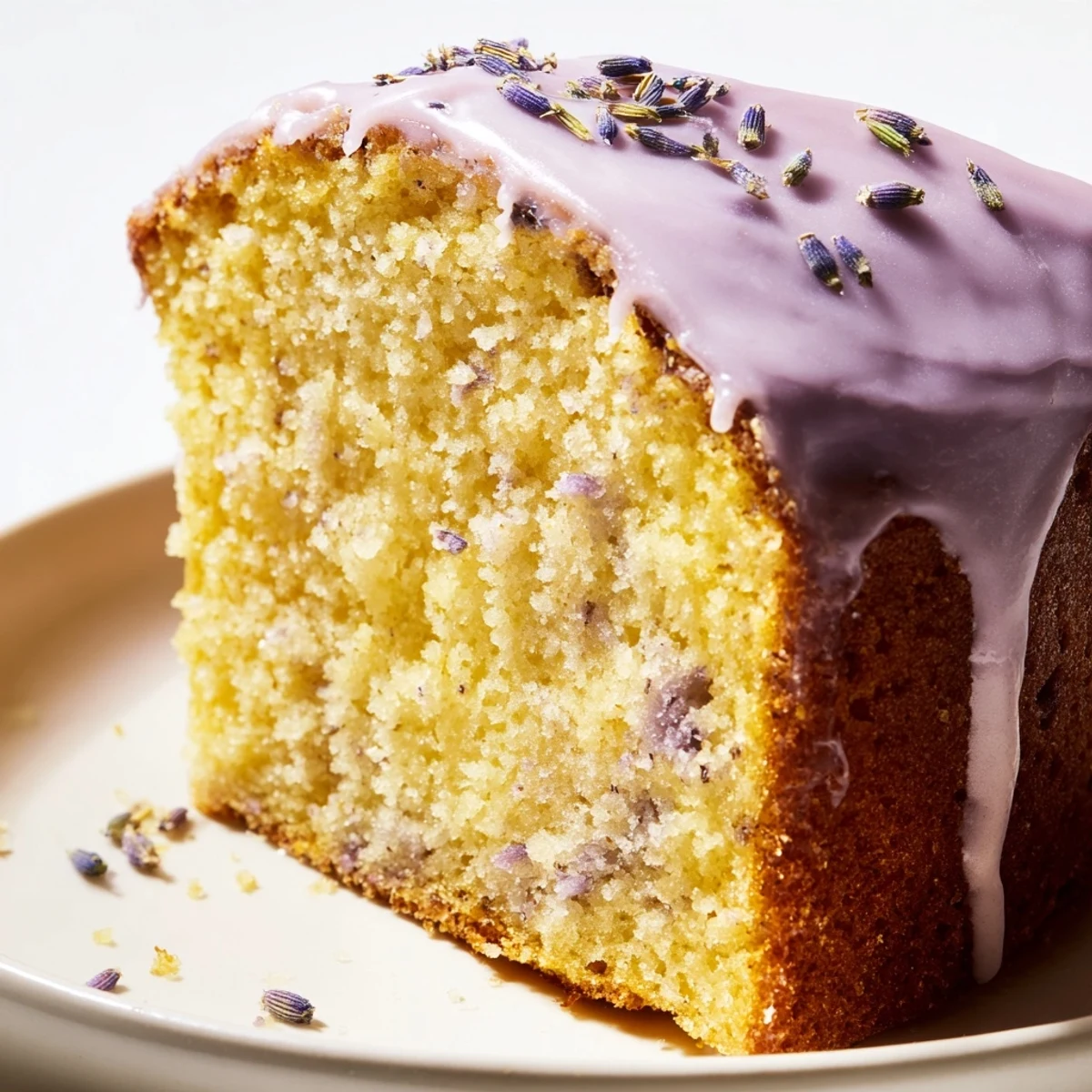
Save Every time I serve this cake, someone comments on how elegant it tastes, yet the recipe itself is wonderfully straightforward. That's the kind of dessert I want in my life.
Recipe FAQs
- → What does lavender cake taste like?
-
Lavender cake offers a delicate floral flavor similar to Earl Grey tea or chamomile. The taste is subtle and aromatic rather than overpowering, with hints of honey and sweet herbs. The lemon glaze adds brightness that perfectly complements the floral notes.
- → Can I use regular lavender from my garden?
-
No, only use culinary-grade lavender buds specifically labeled for food consumption. Garden lavender may have been treated with pesticides or chemicals. Culinary lavender is available at specialty grocery stores, spice shops, and online retailers.
- → How do I store lavender cake?
-
Store the cake in an airtight container at room temperature for up to 3 days. If glazed, let the glaze set completely before covering. For longer storage, refrigerate for up to a week, though bring to room temperature before serving for the best texture and flavor.
- → Can I make lavender cake ahead of time?
-
Yes, bake the cake up to 2 days in advance. Wrap tightly in plastic wrap once completely cooled. Apply the glaze on the day of serving for the freshest appearance and texture. The unglazed cake can also be frozen for up to 3 months.
- → What can I serve with lavender cake?
-
Pair this aromatic cake with Earl Grey tea, chamomile tea, or a light white wine. Fresh berries such as raspberries or strawberries complement the floral notes beautifully. A dollop of crème fraîche or clotted cream adds richness.
- → Is the lavender flavor too strong?
-
The recipe creates a subtle lavender presence. For an even lighter flavor, reduce the lavender buds to 1 tablespoon in both the cake and glaze. Remember that the flavor develops slightly as the cake rests, so it may taste stronger the next day.