
 Save
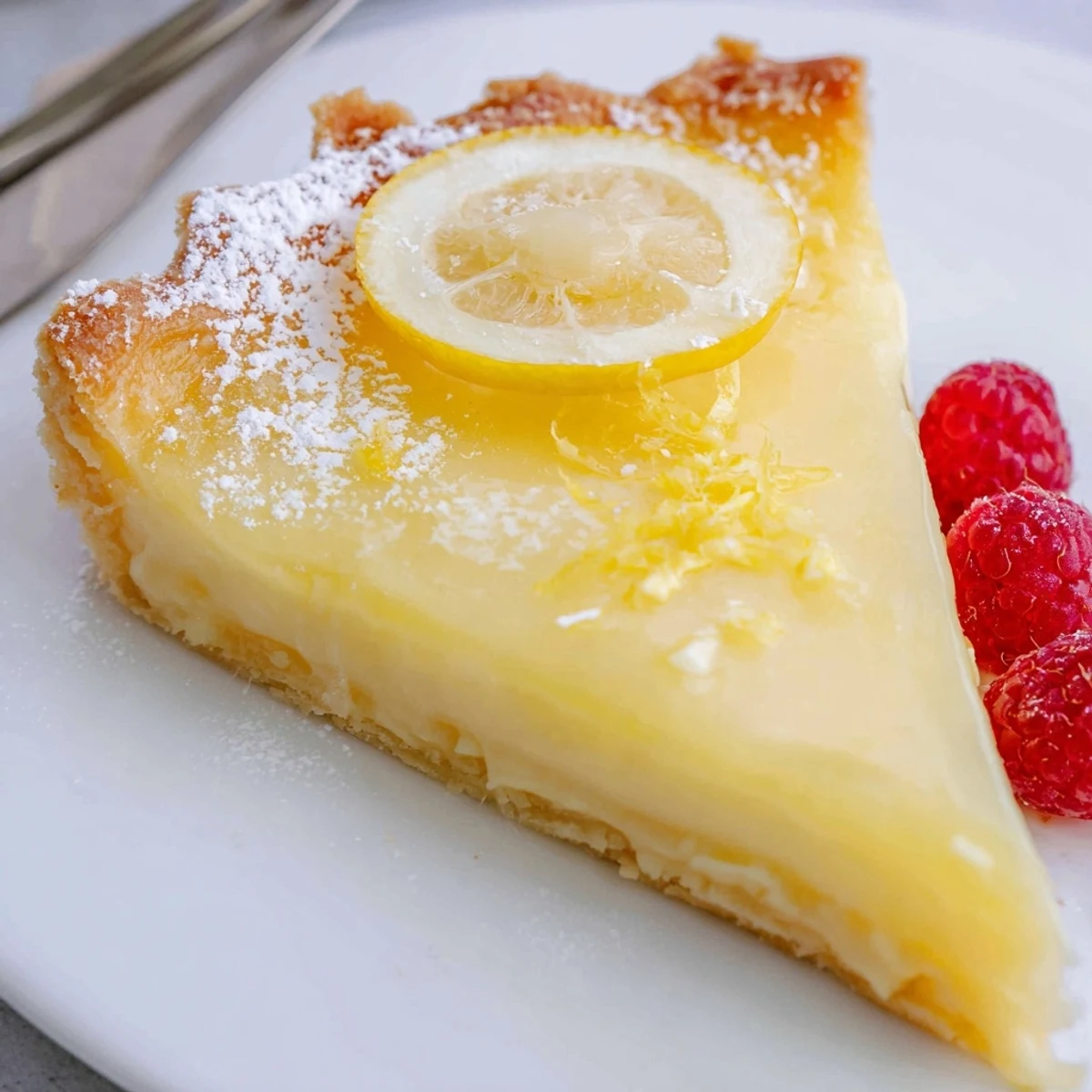
Save Blind-bake a cold, buttery crust until golden, then prepare a silky filling by whisking heavy cream, sugar, eggs, egg yolks, lemon zest and juice until smooth. Pour into the warm shell and bake gently until edges are set and the center still slightly wobbly. Cool completely, chill at least an hour, then dust with powdered sugar and garnish with berries or candied lemon for a bright finish. For variation, add vanilla or use a gluten-free flour blend for the crust.
Of all the desserts that have graced my kitchen, nothing draws family to the table quite like a lemon tart. The distinct scent of lemon zest filling the air always gets my attention—even when I'm in the thick of cleanup or halfway through another project. There's something lively and unruly about baking this tart, the way the sharpness of citrus somehow melts into a creamy dream inside a golden crust. This one's for anyone who thinks dessert can be both light and utterly indulgent.
I once baked this tart after a long afternoon with friends—everyone gathered in the kitchen, trading stories over bowls and spatulas. The atmosphere felt almost fizzy as the filling was whisked together, and I still remember laughter echoing when a lemon rolled off the counter onto someone’s foot. By the time dessert was served, the tart had cooled just enough, and seeing everyone's fork pause after the first bite will always be one of my favorite memories.
Ingredients
- All-purpose flour: The foundation of the crust—sift it for extra tenderness, and don’t overwork the dough.
- Powdered sugar: Lends a melt-in-your-mouth sweetness that granulated sugar can’t quite replicate.
- Salt: A small pinch brings the flavors of the dough into harmony.
- Unsalted butter: Use it cold and cubed for those coveted flaky layers; patience pays off here.
- Egg yolk: Adds richness and helps to bind the dough without making it tough.
- Cold water: Dribble it in slowly, just enough to bring the dough together without stickiness.
- Heavy cream: Key for that silky, luscious filling—don’t skimp on quality if you can help it.
- Granulated sugar: Provides bright sweetness to counter the tartness of the lemons.
- Eggs and egg yolks: The secret to a smooth custard—room temperature eggs blend best and prevent lumps.
- Lemon zest: Finely grate only the yellow skin for a pure, fragrant burst of lemon flavor.
- Fresh lemon juice: Bottled lemon juice can’t compare, so grab a few extra lemons just in case.
- Pinch of salt: Even in the filling, it enhances all the citrusy notes.
- Powdered sugar, fresh berries, candied lemon slices (optional): Each garnish offers a different charm—I often choose whatever looks prettiest at the market.
Instructions
- Prep the oven and tools:
- Start by setting your oven to 350F and laying out all your equipment—making sure you can grab everything without a frantic dash.
- Make the crust:
- Blend flour, powdered sugar, and salt in a food processor, then pulse in the cold, cubed butter until it looks a bit like wet sand sprinkled with pebbles.
- Bind the dough:
- Add in the egg yolk and cold water; pulse just until the dough barely begins clumping together, stopping before it turns sticky.
- Chill and shape:
- On a lightly floured surface, gather the dough into a disk, wrap tightly, and refrigerate for about 30 minutes—time for a quick kitchen tidy-up or tea break.
- Roll and press:
- Roll dough to roughly 1/8 inch thickness, ease into your tart pan, trim the edges, prick all over with a fork, and then freeze for a quick 10 minutes to keep shrinkage at bay.
- Blind bake:
- Line with parchment and fill with pie weights, then bake for about 15 minutes, remove the weights, and let it brown another 8–10 minutes while the kitchen starts to smell like a bakery.
- Prepare the filling:
- Lower the oven to 300F first, then whisk together the cream, sugar, eggs, yolks, lemon zest, juice, and a pinch of salt in a big bowl until the mixture is bright, glossy, and smooth.
- Bake the tart:
- Pour the filling into the warm crust and bake 20–25 minutes; check that the edges are set but the center still has a gentle jiggle, almost like gelatin.
- Chill and garnish:
- Let cool completely, refrigerate for at least an hour—hard as it may be to wait—then dust with powdered sugar and finish with berries or candied lemon before serving.
 Save
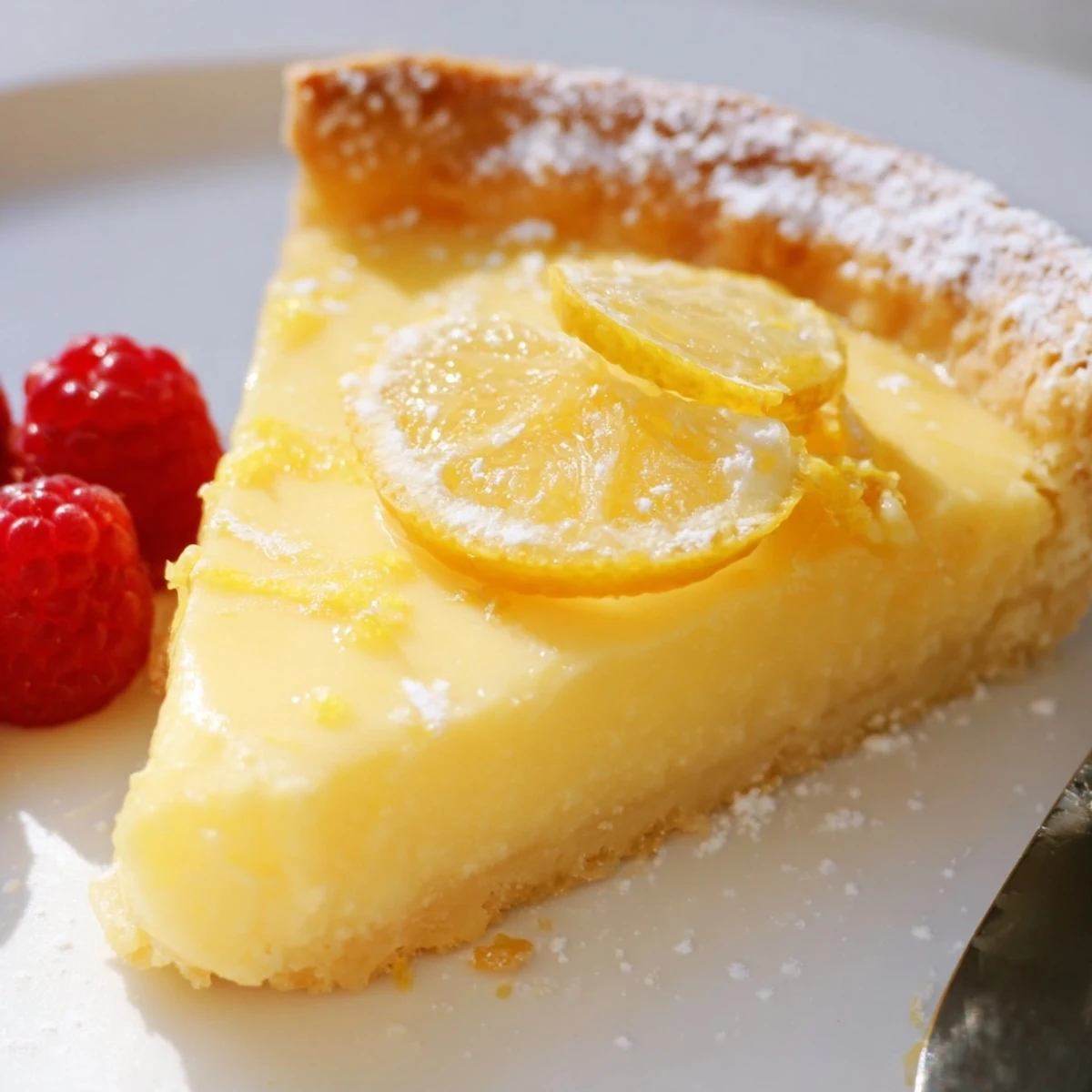
Save One afternoon, I surprised my partner with a tart just as golden hour poured into the kitchen—it turned a regular weekday into a small celebration, and every crumb was a little reminder to savor the present.
Small Touches That Make It Special
I find that sifting the flour for the crust creates a crust that’s not just crisp but delicate. Even swapping in a bit of whole wheat flour for part of the all-purpose brings a subtle nutty note. Once, I topped the finished tart with violets from the garden and suddenly it looked like something out of a Parisian pastry shop.
Making Ahead and Leftovers
This tart keeps beautifully in the fridge—a godsend when entertaining or planning for busy days. I've snuck slices for breakfast and even served it two days later with just as much fresh flavor. If you have leftovers, a quick dust of powdered sugar revives any piece to near-new glory.
What If You Don’t Have a Tart Pan?
Don’t let a missing tart pan hold you back; I’ve pressed the dough into a pie dish more than once and it still turned out lovely. Individual ramekins work for mini versions and bake much faster. The point is, you’ll still end up with that glorious lemony filling and crisp crust—perfection found in flexibility.
- Run a knife under hot water to slice cleanly for serving.
- Keep an eye on the tart in the final minutes so it doesn’t overbake—it firms up as it cools.
- Store uncovered the first hour in the fridge, then cover loosely to preserve the crust’s crispness.
 Save
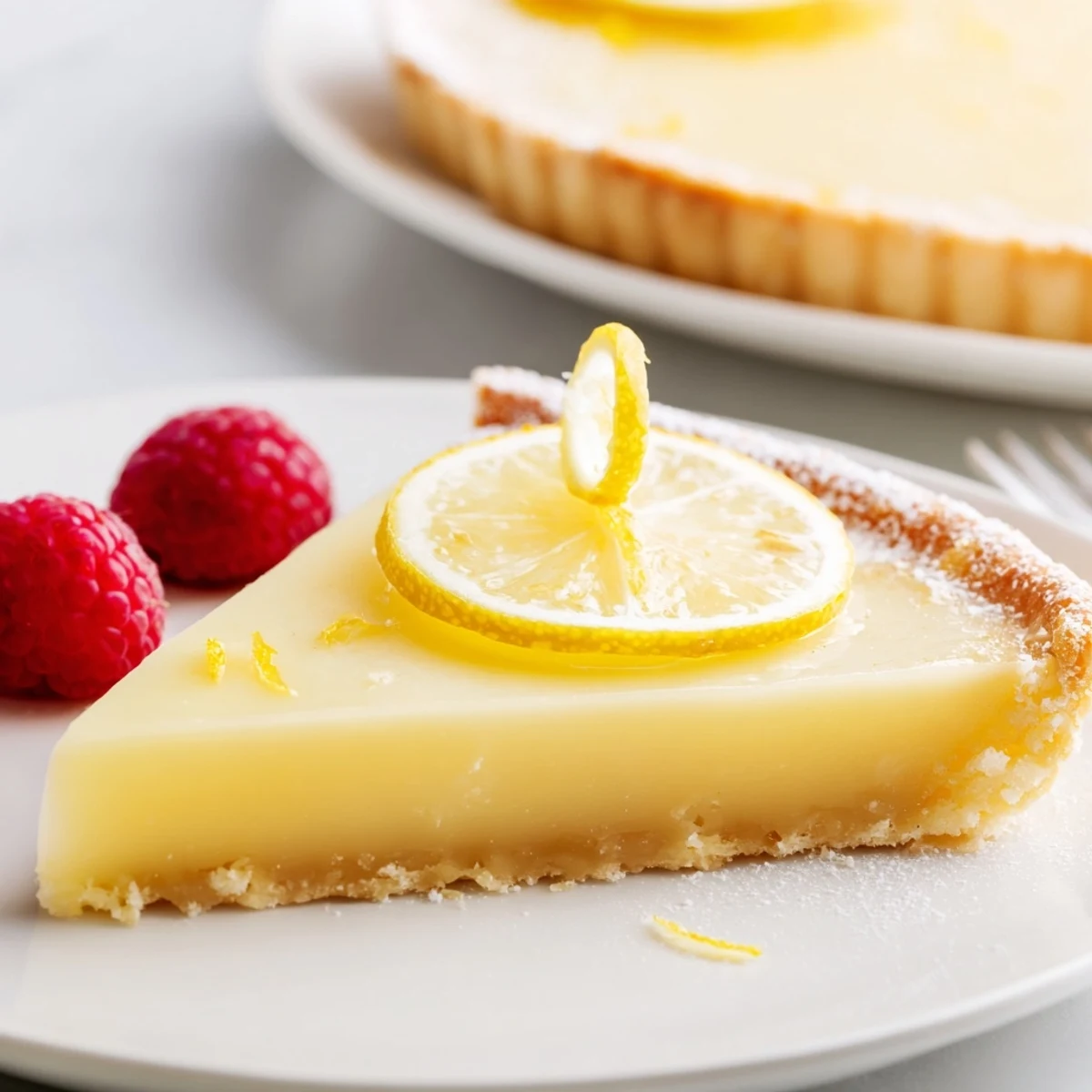
Save Whether you bake this for a crowd or just to treat yourself, let the bright lemon and creamy filling lift your mood. Here’s to little moments of joy—one slice at a time.
Recipe FAQs
- → What is blind-baking and why is it important?
-
Blind-baking means pre-baking the crust with parchment and weights so it stays crisp and doesn’t puff. It prevents a soggy bottom when a wet filling is added.
- → How do I prevent the filling from curdling?
-
Whisk ingredients until smooth and bake at a moderate temperature. Gentle heat and even mixing minimize curdling; avoid high oven temperatures and rapid temperature changes.
- → Can I use bottled lemon juice instead of fresh?
-
Fresh lemon juice gives the brightest flavor and zest is important for aroma. Bottled juice can be used in a pinch but the result may be less vibrant.
- → How long should the tart chill before serving?
-
Chill at least one hour to allow the filling to fully set and flavors to meld. Longer chilling firms the texture and makes slicing cleaner.
- → What are good garnish options?
-
Lightly dust with powdered sugar and top with fresh berries, candied lemon slices, or a few curls of lemon zest to complement the citrus notes.
- → How should leftovers be stored?
-
Cover and refrigerate up to 3 days. Keep chilled to maintain the creamy texture; bring to cool room temperature briefly before serving if desired.