
 Save
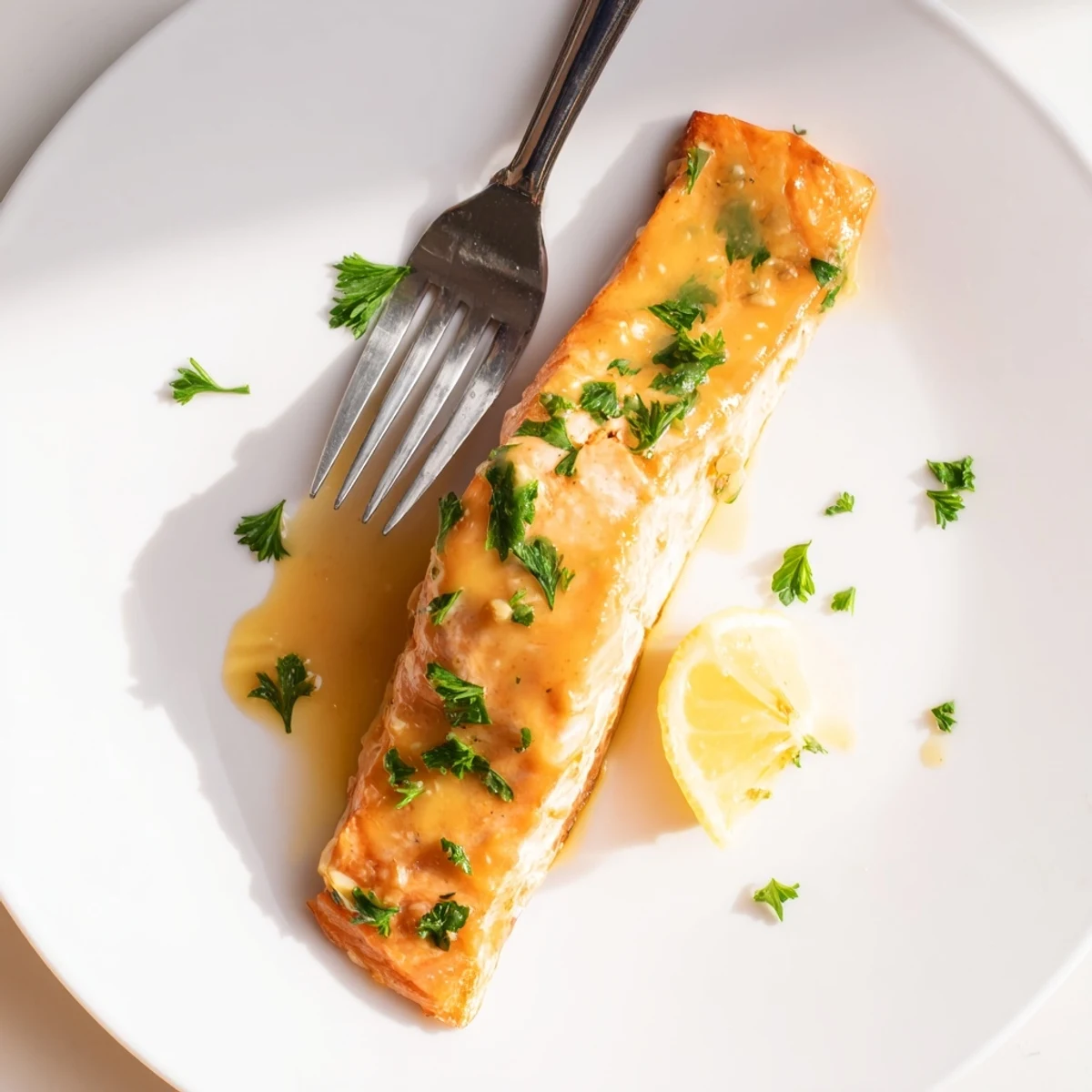
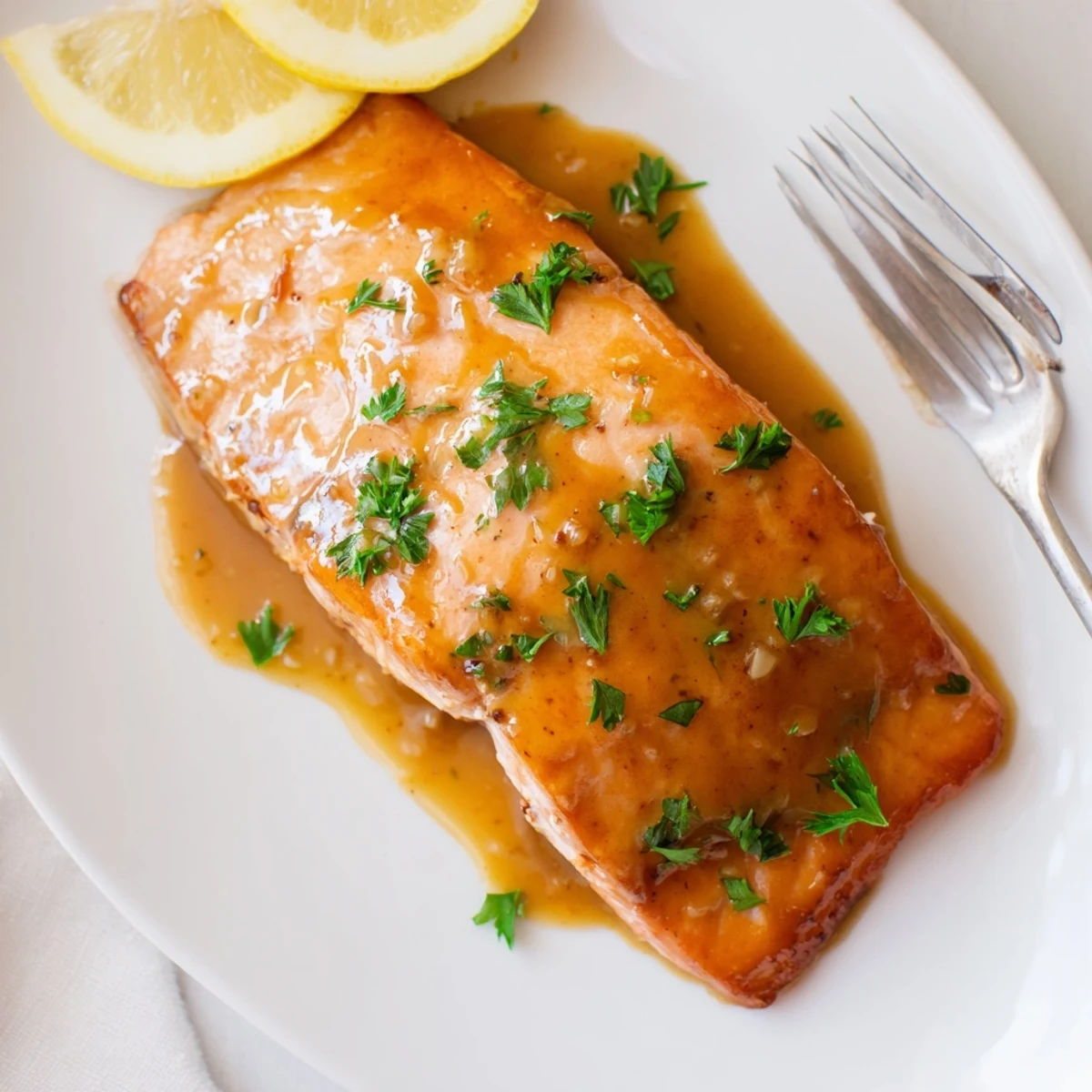
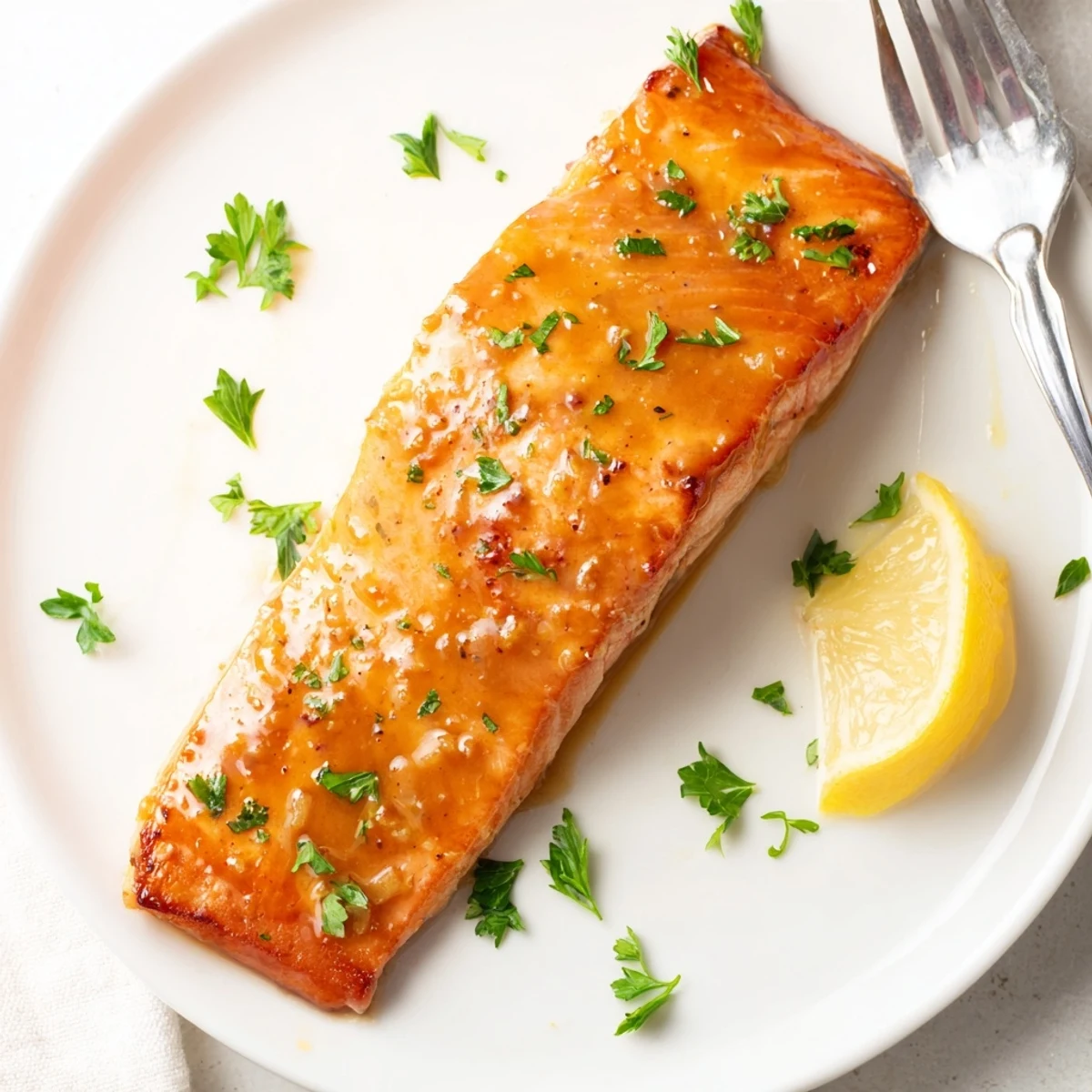
Save This baked honey mustard salmon delivers perfectly tender, flaky fish with a glossy sweet-and-tangy glaze that caramelizes beautifully in the oven.
With just 10 minutes of prep and 15 minutes of baking, it's an ideal weeknight dinner that feels elegant enough for entertaining.
The combination of Dijon mustard, honey, lemon, and garlic creates a balanced sauce that complements the rich salmon without overpowering it.
The rain was hammering against the kitchen window and I had four salmon fillets staring at me from the cutting board with no plan whatsoever. I rummaged through the fridge and found a nearly empty jar of Dijon and a sticky bottle of honey, and something about that combination just clicked. Twenty five minutes later the whole kitchen smelled like garlicky caramelized sunshine and my family was practically licking their plates clean. That chaotic evening turned into the most requested dinner in our house.
My neighbor Linda stopped by unannounced one Tuesday evening right as I was pulling the baking sheet out of the oven. She stood in the doorway sniffing the air like a cartoon character floating toward a pie, and I ended up inviting her to stay for dinner. She now texts me every Monday asking if I am making the honey mustard salmon this week.
Ingredients
- 4 salmon fillets, about 150 g each: Skin on holds together better during baking but skinless works fine if that is what you have.
- 3 tbsp Dijon mustard: The sharpness cuts through the sweetness of the honey and creates that beautiful golden crust.
- 2 tbsp honey: Any basic honey does the job but a darker wildflower honey adds a deeper flavor.
- 1 tbsp olive oil: Helps the glaze spread evenly and keeps the fish from drying out.
- 1 tbsp lemon juice, freshly squeezed: Brightens everything and balances the richness of the salmon.
- 2 cloves garlic, minced: Fresh garlic makes a real difference here so skip the jarred stuff if you can.
- Salt and pepper: Just enough to wake up all the other flavors.
- Fresh parsley and lemon wedges: Totally optional but they make the plate look like it came from a restaurant.
Instructions
- Get the oven hot:
- Preheat to 200 degrees Celsius, or 400 Fahrenheit, and line a baking sheet with parchment paper so cleanup is effortless later.
- Whisk the glaze:
- In a small bowl, combine the Dijon, honey, olive oil, lemon juice, garlic, salt, and pepper, whisking until it looks smooth and glossy.
- Glaze the fish:
- Lay the salmon fillets skin side down on the sheet and brush each one generously, saving a little extra for spooning over after baking.
- Bake until perfect:
- Slide the tray into the oven for 12 to 15 minutes, checking at the 12 minute mark because the salmon should flake easily but still look slightly translucent in the very center.
- Rest and finish:
- Let the fillets sit for 2 minutes out of the oven, then shower with chopped parsley and serve with lemon wedges alongside.
 Save
Save The night my teenage son asked for seconds and then thirds was the night I knew this recipe had earned a permanent spot on the weekly rotation. Food does not need to be complicated to become a tradition.
What to Serve Alongside
Steamed broccoli or roasted asparagus are my go-to sides because the honey mustard glaze doubles as a dressing for whatever vegetables end up on the plate. A mound of fluffy jasmine rice soaks up the extra sauce beautifully, and a simple green salad with a vinaigrette keeps things light.
Making It Your Own
Maple syrup swaps in perfectly for honey if you want a slightly earthier sweetness. A pinch of cayenne in the glaze adds a gentle warmth that sneaks up on you in the best way. My sister in law adds a tablespoon of soy sauce and swears it makes the dish.
Quick Reference and Reminders
From fridge to table this dinner takes about 25 minutes, which makes it ideal for chaotic weeknights when takeout is tempting you. The glaze can be mixed up to three days ahead and kept in a jar in the refrigerator, ready to go whenever you need it.
- Pat the salmon dry before glazing so the mixture adheres properly.
- Check for pin bones by running your finger along the center of each fillet.
- The salmon continues cooking slightly as it rests, so pull it out just before you think it is done.
 Save
Save This is the kind of recipe that reminds you dinner does not have to be a production to be something special. Keep it simple, trust the glaze, and enjoy the quiet satisfaction of a meal well made.
Recipe FAQs
- → What temperature should salmon be baked at?
-
Salmon bakes best at 200°C (400°F). At this temperature, a standard fillet cooks through in 12–15 minutes, developing a beautifully glazed exterior while staying moist and tender inside.
- → How do I know when the salmon is done cooking?
-
The salmon is ready when it flakes easily with a fork and appears just opaque in the center. Avoid overcooking — the fish will continue to cook slightly as it rests for 2 minutes after removal from the oven.
- → Can I marinate the salmon in the honey mustard glaze?
-
Yes, marinating the salmon in the glaze for up to 20 minutes before baking enhances the flavor penetration. However, avoid marinating longer than 30 minutes, as the acid from the lemon juice can start to break down the delicate fish texture.
- → Should I bake salmon with the skin on or off?
-
Either works well. Skin-on fillets help hold the fish together and keep the bottom moist during baking. If using skin-on, place fillets skin-side down — the skin acts as a natural barrier and can be easily removed after cooking.
- → What sides go well with honey mustard salmon?
-
This salmon pairs beautifully with steamed vegetables like broccoli or asparagus, fluffy white or brown rice, roasted potatoes, or a crisp leafy green salad. The honey mustard glaze is versatile enough to complement most light side dishes.
- → Can I substitute maple syrup for the honey?
-
Absolutely. Maple syrup works as a direct substitute for honey and adds a deeper, more complex sweetness. The glaze will taste slightly different but equally delicious, with a subtle earthy note that pairs wonderfully with the Dijon mustard.