
 Save
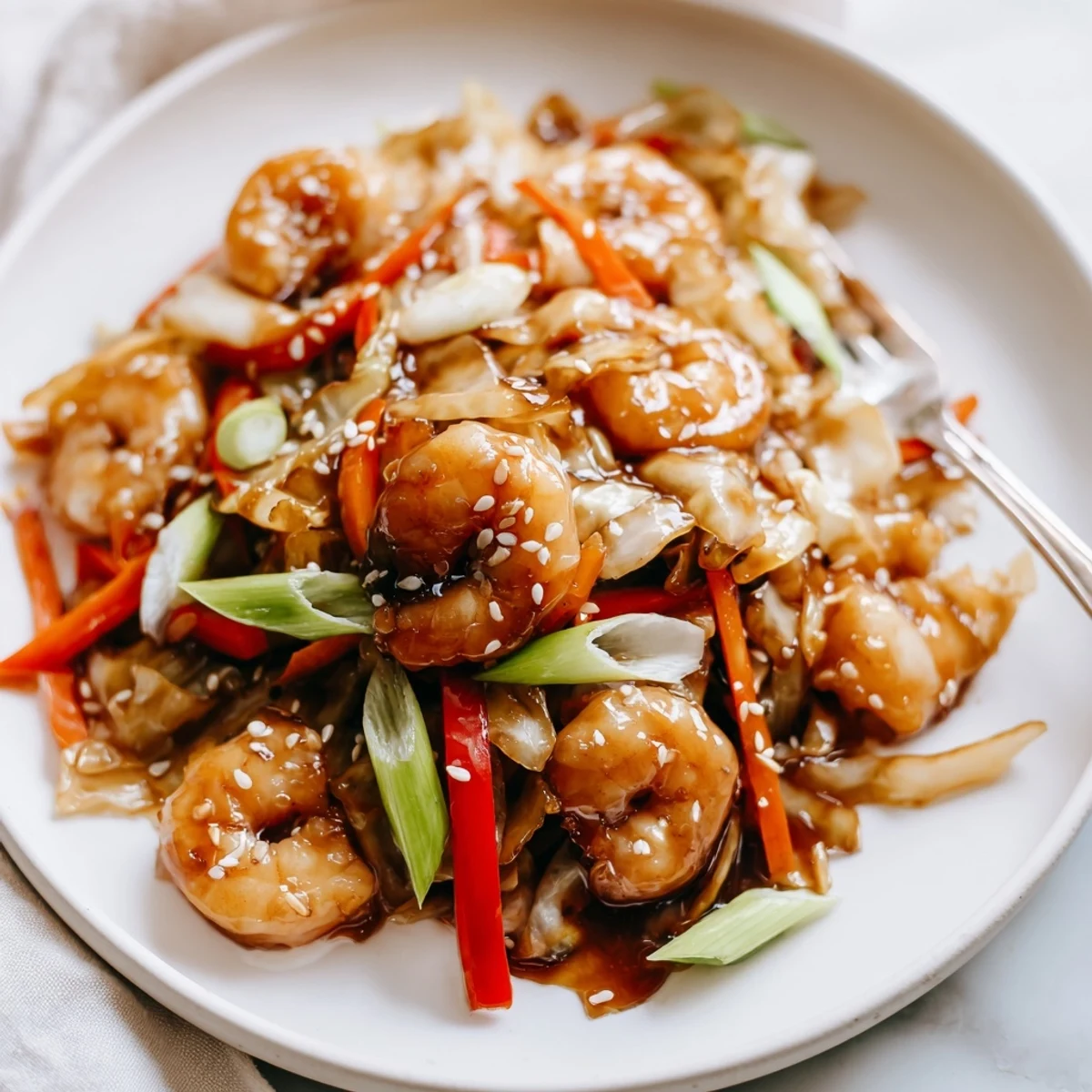
Save This quick Asian stir fry pairs tender shrimp with thinly sliced Napa cabbage, julienned carrot and red pepper, all coated in a savory sesame-soy and oyster sauce glaze. Cook shrimp briefly, remove, then stir-fry vegetables until crisp-tender before returning shrimp and thickening the sauce. Ready in about 25 minutes; swap tofu or chicken and use tamari for gluten-free options.
The first time I made this stir fry was on a Tuesday evening when I needed something fast but didnt want to settle for takeout again. The cabbage caught my eye at the market, looking impossibly fresh and crisp, and I decided to see what would happen if I treated it like the star of the show instead of a filler ingredient. Now whenever I slice through Napa cabbage and hit that ginger on the grater, the kitchen fills with this bright sharp scent that feels like waking up.
My sister visited last winter and watched me make this, complaining that she could never get restaurant quality stir fry at home. When she tasted it, she actually went silent for a full minute before asking for the recipe. Now she texts me photos every time she makes it, usually with some variation she discovered on her own.
Ingredients
- Large shrimp: I buy them already peeled and deveined to save time, and pat them completely dry before cooking so they sear instead of steam
- Napa cabbage: Slice it thin so it wilts quickly but still keeps that satisfying crunch in every bite
- Garlic and ginger: Grate the ginger fresh every time, the paste releases way more flavor than minced pieces ever could
- Soy sauce and oyster sauce: This combination creates that deep savory base that makes Asian stir fries taste like they came from a restaurant kitchen
- Sesame oil: Just a tablespoon adds this incredible nutty aroma that fills the whole kitchen
- Cornstarch: This tiny amount transforms the thin sauce into something glossy and clingy that coats every piece of shrimp and vegetable
Instructions
- Whisk your sauce first:
- Combine all the sauce ingredients in a small bowl until the cornstarch dissolves completely. Do this before you turn on any heat because once cooking starts, everything moves too fast to measure and mix.
- Sear the shrimp:
- Get your pan ripping hot with oil, add the shrimp in a single layer, and let them develop a golden crust before flipping. Pull them out while they are slightly underdone since they will finish cooking later.
- Build the flavor base:
- Drop the garlic and ginger into the hot pan and stir constantly for just 30 seconds. You want them fragrant and sizzling, not burned or bitter.
- Cook the vegetables:
- Add the carrots, peppers, and cabbage, tossing everything constantly for 2 to 3 minutes. The vegetables should be bright and tender crisp, not soft or wilted.
- Combine everything:
- Pour in the sauce, toss in the shrimp, and stir until the liquid bubbles and thickens into a glossy coating. Add the green onions right at the end so they stay bright and fresh.
 Save
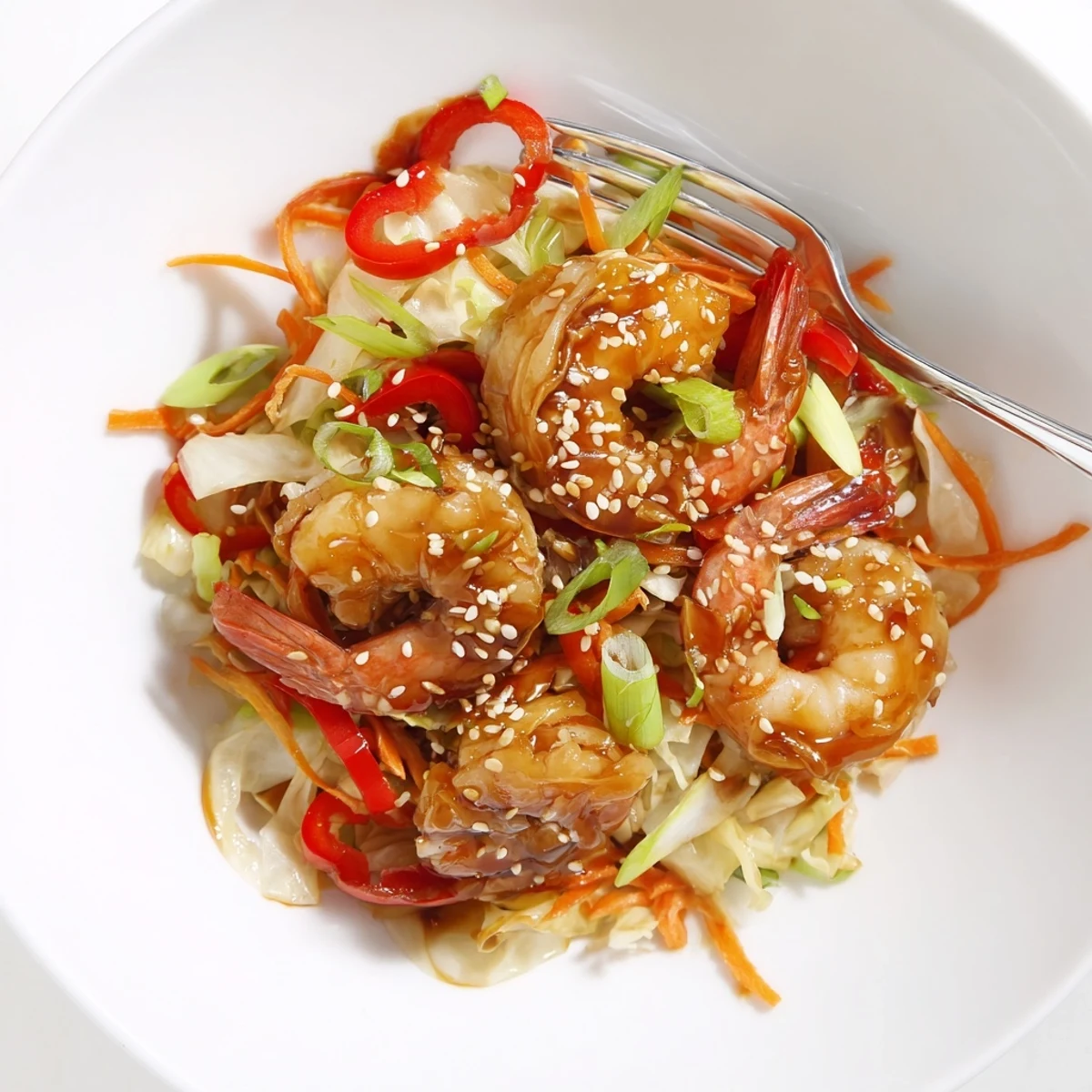
Save This recipe saved me during a busy week when friends dropped by unexpectedly. I threw everything together in about 20 minutes, and they kept asking when I had time to order from that amazing Asian place down the street. The look on their faces when I told them I made it myself was pretty satisfying.
Getting The Right Texture
The secret to restaurant style stir fry is high heat and constant movement. I keep everything moving in the pan, tossing and flipping rather than stirring, which creates those slightly charred edges that add so much depth of flavor. The vegetables should hiss and pop loudly, that sound means the heat is high enough to create the crisp tender texture that makes stir fry so satisfying.
Sauce Adjustments
Sometimes the sauce needs a tiny adjustment depending on your ingredients. If the cabbage is especially sweet, I add another teaspoon of rice vinegar to balance it. On days when I want more depth, a splash of fish sauce or an extra quarter teaspoon of honey makes all the difference. Trust your taste buds and adjust before you add the sauce to the pan.
Make It Your Own
This stir fry base works with whatever vegetables you have in the crisper drawer. Snap peas, broccoli, bok choy, or even thinly sliced Brussels sprouts all work beautifully here. The timing stays roughly the same, just adjust based on the vegetable density and keep everything moving over high heat.
- Prep every single ingredient before you turn on the stove
- Warm your plates in the oven so the dish stays hot longer
- Cook the rice or noodles first so they are ready when the stir fry is done
 Save
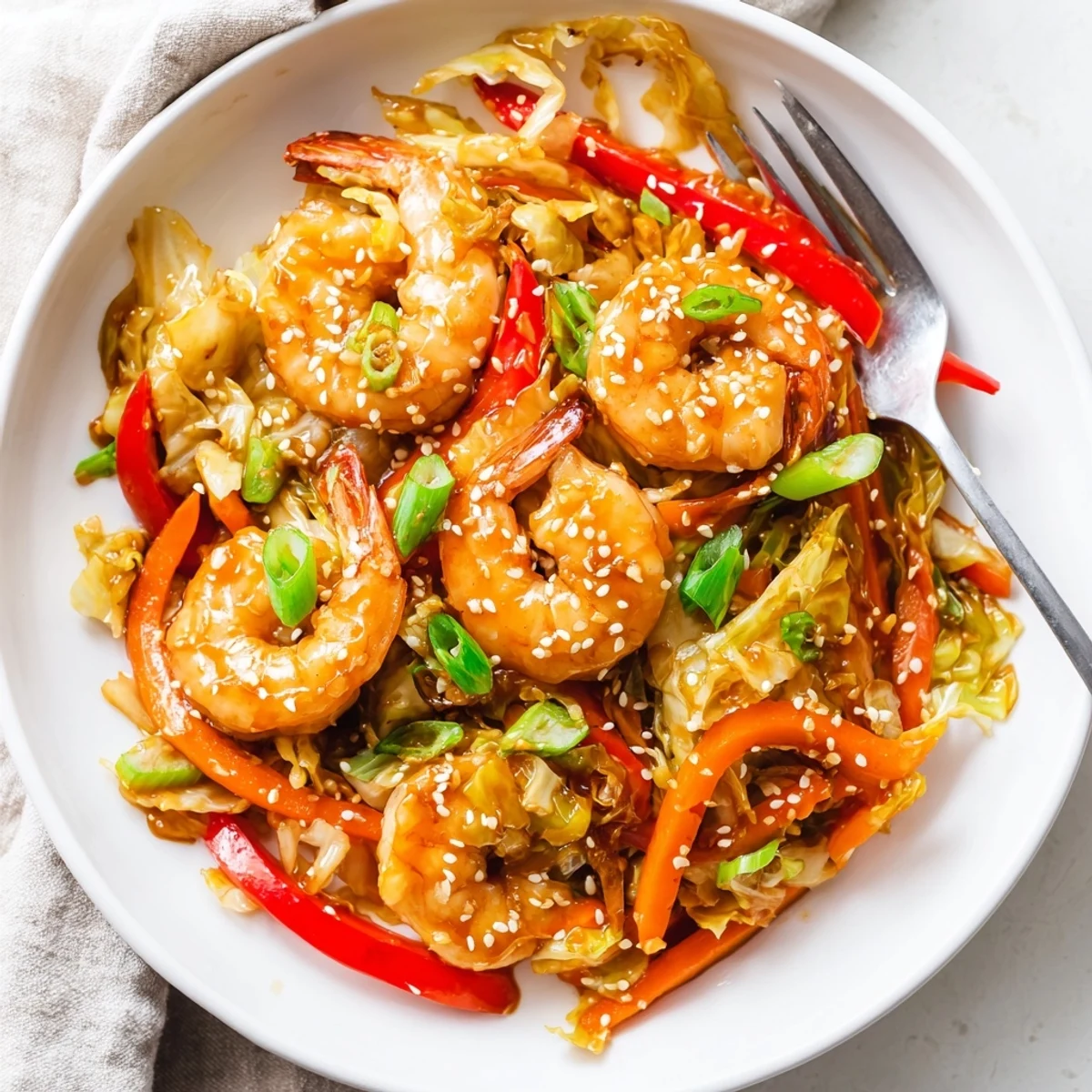
Save This stir fry has become my go to for busy weeknights when I want something that feels special but does not require hours of effort. The way the glossy sauce coats every bite of shrimp and crisp vegetable makes it feel like a treat, even on the most ordinary Tuesday.
Recipe FAQs
- → How do I prevent shrimp from overcooking?
-
Cook shrimp over medium-high heat for just 2–3 minutes until pink and opaque, then remove them while you finish the vegetables. Return them only at the end to heat through; residual heat finishes cooking without becoming rubbery.
- → How can I thicken the sauce without changing flavor?
-
Whisk the cornstarch with a little water to make a slurry and add it to the pan toward the end of cooking. Simmer 1–2 minutes until the sauce glossy and coats the ingredients evenly without diluting the seasoning.
- → What are good protein substitutions?
-
Firm tofu, thinly sliced chicken breast, or thin pork strips work well. Adjust cooking times: tofu needs a quick sear, while chicken should be cooked through before combining with the vegetables.
- → How can I add heat to this dish?
-
Add sliced fresh chili, a splash of chili oil, or a pinch of red pepper flakes to the sauce. Incorporate gradually and taste, so the spice complements the sesame-soy flavors without overpowering them.
- → Can I make this gluten-free?
-
Use tamari or a gluten-free soy substitute and swap oyster sauce for a gluten-free alternative. Check labels for hidden wheat in condiments and choose certified gluten-free products when needed.
- → How should leftovers be stored and reheated?
-
Cool quickly, store in an airtight container in the fridge for up to 2 days. Reheat gently in a skillet over medium heat to preserve texture; add a splash of water or broth if the sauce has thickened.